Brainerd school auditors give clean opinion but flag weaknesses as superintendent warns of steep enrollment-driven budget pressure
Loading...
Summary
Auditors issued a clean opinion on the district’s 2024–25 financial statements but reported one material weakness and several significant deficiencies; board approved the audit as staff and the superintendent warned that declining enrollment and lower federal COVID-era funding threaten future budgets.
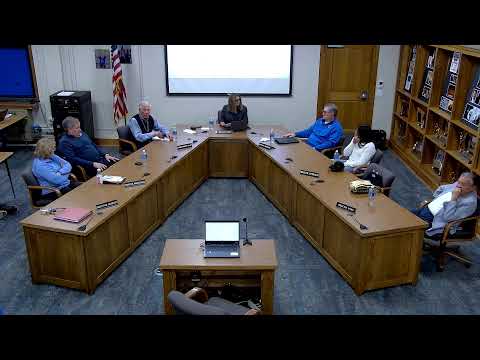
The Brainerd Public School District board approved the district’s 2024–25 audit after auditors from CLA issued an unmodified (clean) opinion while identifying a material weakness in the preparation of financial statements and several significant deficiencies, including untimely bank reconciliations, inventory listing problems and repeated payroll reporting errors.
Becca Nielsen, manager on CLA’s audit team, told the board the firm performed a risk-based audit and did not identify unusual transactions, but said implementation of GASB 101 (compensated absences) required retroactive restatements of beginning balances and contributed to a delayed audit. The firm noted immaterial adjustments to inventory, food-service unearned revenue and accounts receivable, and recommended tighter controls over bank reconciliations and year‑end inventory processes. "We issued an unmodified or clean opinion on the financial statements," Nielsen said; she also flagged a recurring material weakness related to preparation of the financial statements.
District finance staff explained the new GASB requirement expanded compensated‑absence reporting to include PTO and sick balances, increasing the number of calculated balances to 1,151 for the current year and requiring retroactive entries. Marcy Lord, referenced by administrators as the staff lead for financials, said staffing turnover and the GASB change were the primary causes of the audit delay.
The presentation showed general‑fund expenditures exceeded revenues by about $596,000 in fiscal year 2025. Federal COVID-era funding fell by roughly $3 million as the district drew down pandemic-related grants; state aid increased by approximately $2 million, largely reflecting special‑education aid. Auditors reported the district’s unassigned fund balance was about 14.7% of expenditures at year end (state policy target cited by the board is 10%), but staff said a preliminary budget projection that includes a $2.2 million deficit would lower that ratio to about 11.9%.
Board members pressed on the long-term implications of declining average daily membership (ADM). Nielsen’s slides showed a five‑year enrollment decline and a 172‑student drop from FY24 to FY25; board discussion noted an open‑enrollment loss and a five‑year decrease of nearly 494 ADMs. Directors described the district as being personnel‑heavy (salaries and benefits make up about two‑thirds of expenditures), and asked how reductions in students would affect program delivery and staff levels.
Superintendent Grant followed later in the meeting with a candid assessment of long-term risk, telling the board that continued enrollment losses could force program and facility changes. "When you think back to Hazel’s report...she predicts 1,000 student reduction in about 3–4 years," Grant said, arguing that the district must plan proactively for multi‑year budget scenarios.
The board approved the audit by voice vote after the presentation.
Votes at a glance - Motion to approve meeting agenda: carried (voice vote) - Motion to approve March 16 minutes: carried (voice vote) - Approval of 2024–25 annual audit (CLA): carried (voice vote) - Approval of 2027–28 and 2028–29 school calendars: carried (voice vote) - Motion to refer Policy 602 (school calendar/e‑learning language) back to policy committee for further work and input from bargaining units: carried (roll‑call) - Resolution approving nonrenewals (tiered/probationary teachers): carried (roll‑call) - Approval of warehouse elevator code upgrades: carried (voice vote) - Approval of Forest View flooring project: carried (voice vote) - Approval of early retirement incentive MOUs for educational assistants and food service: carried (voice vote)
Why it matters A clean audit opinion indicates CLA found the district’s financial statements fairly presented in accordance with accounting standards, but the listed weaknesses and the district’s enrollment trend point to structural fiscal challenges. A multi‑year planning approach and stronger internal controls were urged repeatedly by auditors and board members.