Get Full Government Meeting Transcripts, Videos, & Alerts Forever!
Get email alerts on the Environment Ethoxyde topic
No spam. Unsubscribe anytime.
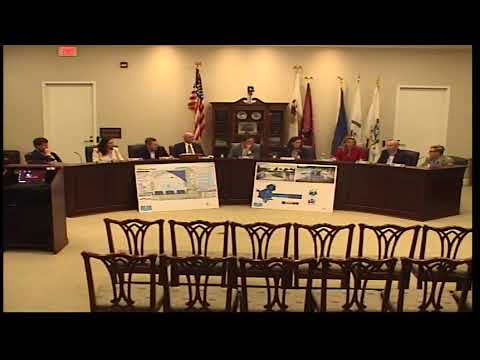
Hinsdale board opposes federal rollback of ethylene oxide limits, approves resolution
Summary
The Hinsdale Board of Trustees voted unanimously April 14 to adopt a resolution opposing federal rollbacks to 2024 US EPA ethylene oxide (ETO) emission standards after residents and trustees cited local health concerns linked to sterilizer emissions.
The Hinsdale Board of Trustees voted unanimously April 14 to approve a resolution opposing federal actions that would weaken the U.S. Environmental Protection Agency’s 2024 risk‑based standards for ethylene oxide (ETO) emissions.
Village President Hart opened the item by describing ETO as “a known carcinogen” and said the village is rejoining efforts with neighboring communities to oppose regulatory rollbacks designed to reduce protections for residents near sterilization facilities. The president said local officials previously worked with state leaders and municipalities to address elevated ETO emissions linked to regional contract sterilizers.
A resident who the president identified as Mary spoke during public comment in support of the resolution. “This is a life and death scenario,” she said, thanking local officials for past work on ETO and urging continued action.
Trustee Neil Burns, who the president noted has a background in chemical engineering, described the risks posed by loosening federal rules. Burns urged caution about removing requirements for continuous emission monitoring and called the potential rollback “very unfortunate,” noting that some of the 2024 standards were developed to address problems documented near regional facilities.
The board moved and seconded the resolution and approved it by roll call; all trustees present voted aye. The resolution, as discussed, directs village leadership to work with neighboring municipalities and officials to oppose federal regulatory actions and to continue local monitoring and advocacy.
Next steps discussed at the meeting included coordination with regional partners and tracking the federal rulemaking process; no additional local regulatory action was adopted during the session.