Lifetime Citizen Portal Access — AI Briefings, Alerts & Unlimited Follows
Princeton residents urge council to avoid fees, say proposed special‑events rules could chill free speech
Loading...
Summary
Dozens of residents and organizers told Princeton's Mayor and Council that a proposed special‑events ordinance—still in draft discussion—risks imposing undetermined fees and administrative discretion that could deter protests and marginalize low‑income and immigrant groups. Councilmembers said no ordinance has been introduced and stressed a focus on non‑expressive events.
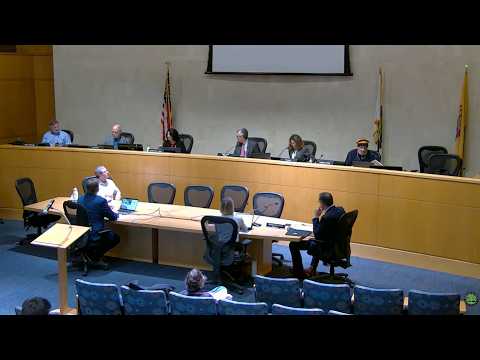
Dozens of residents and community organizers told the Princeton Mayor and Council on Tuesday that a prospective special‑events ordinance could restrict free expression and unfairly burden small or new groups.
"The proposed ordinance would allow the city to charge organizers a currently undetermined fee based on a list of factors compiled by the city," said Joan Eileen Byrd, who said she has lived in Princeton for about 35 years. She warned that post‑event billing with "no recourse" would deter organizations that lack partnerships with the municipality.
Representatives of Resistencia Nacion and other immigrant‑rights groups echoed that concern. "When barriers are introduced, whether they're financial, administrative or otherwise, they often exclude low income residents, immigrant families, young people, and communities who already face the most obstacles to participation," said Richard, who identified himself as working in Princeton and representing Resistencia Nacion.
Other speakers pressed the council on how it planned to distinguish "expressive" events (which trigger stronger First Amendment protections) from "non‑expressive" events such as festivals or markets. "If I have a food truck at a rally, is that all of a sudden non‑expressive?" asked Jabari, a Princeton resident. "These ambiguities need to be cleared up."
Yoshi, a longtime Palestine solidarity activist, said the proposal as described to him reads as "undemocratic and unconstitutional" and urged council to abandon any plan to levy fees or impose arbitrary time limits on assemblies.
Several speakers — including a Princeton PhD student in history, Rachel Schnurr — framed public assembly as an historic tool for accountability and urged councilors to treat any ordinance that risks limiting protests with skepticism.
Councilmember Michelle responded to the concerns with an extended statement, saying the municipality is "currently working to draft an updated ordinance governing special events and the use of public space" and that recent commentary that the city intends to restrict speech is "incorrect." She said the work session that prompted alarm was focused on cost recovery and permitting for non‑expressive special events such as festivals, concerts and commercial activities, and reiterated Princeton's commitment to open public forums for expressive activities.
"This work session was focused specifically on cost recovery and permitting for non‑expressive special events," she said. "It was not at all a discussion of protests, vigils, First Amendment expressive activity." She added that Princeton aims to craft a content‑neutral, narrowly tailored approach and to avoid vesting unbounded discretion in municipal decision‑makers.
Speakers representing Resistencia and allied groups urged the council to consult affected communities and to provide the actual draft text before proceeding. "We are ready and willing to work with you to ensure any proposed ordinance protects the rights of the people," said Allison, who identified herself as a member of Resistencia and Acción.
Several commenters raised other items during the public‑comment period: Melanie Stein and others urged full funding for the Princeton Public Library, and multiple speakers recalled recent campus policing incidents that have heightened community anxiety about limits on assembly.
Council members emphasized that no ordinance has been formally introduced and pledged to continue public engagement before any formal proposal is advanced. The hearing closed with the body thanking speakers and moving to adjourn.