Get Full Government Meeting Transcripts, Videos, & Alerts Forever!
Get email alerts on the Public Safety Budget topic
No spam. Unsubscribe anytime.
Sheriff outlines staffing, vacancies and overtime changes; treasurer says reserves cover retro pay
Summary
Sheriff reported 469 total positions (398 law enforcement, 71 civilian), described a plan to limit accumulated weekend comp‑time, and noted grants and forfeiture funds; commissioners questioned a high overtime appropriation and asked about long‑term liabilities.
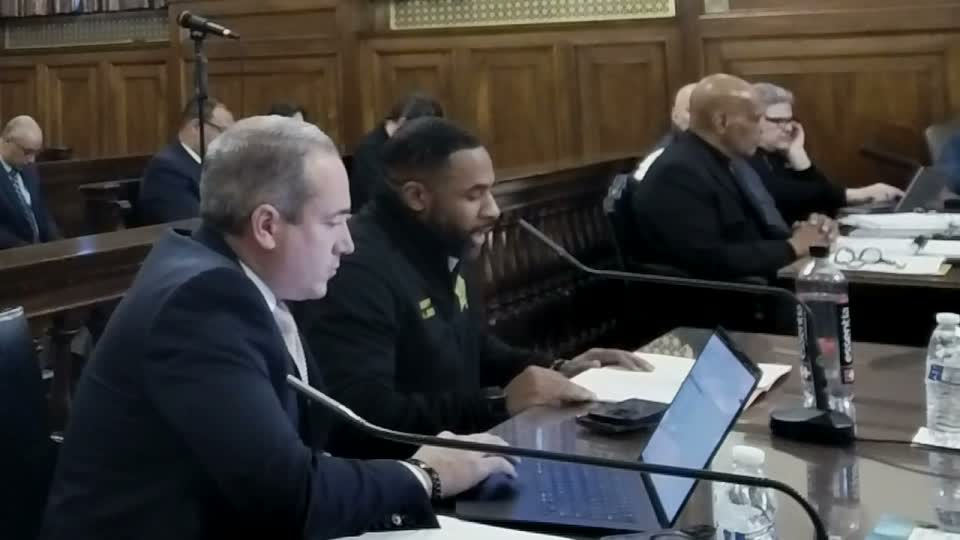
The sheriff told commissioners the department’s total authorized positions are 469 — 398 sworn officers and 71 civilian positions — and reported current vacancies and efforts to hire across the year. “Our positions, total positions we have, 469. That's 398 in law enforcement, 71 civilian,” the sheriff said.
The sheriff and labor negotiators explained a long‑standing practice of awarding weekend compensatory time (eight hours plus four) and that officers may accumulate up to 50 days, creating a potential unfunded liability when large balances are cashed out at retirement. The sheriff said the department started a policy change on January 1 to offer cash overtime rather than permit indefinite comp‑time accrual, with quarterly reevaluations.
Commissioners pressed why the overtime appropriation had been reduced on paper (budgeted at about $5.287 million for the coming year but with last year’s overtime at roughly $7.4 million) and whether reserves had covered retroactive pay. County Treasurer Hussam Mohammed said reserves were adequate to settle past retroactive pay and that retro payments to correction superiors and officers were paid or scheduled.
The sheriff outlined grant and forfeiture revenues that offset equipment and training costs, and named recent grants for body armor, body‑worn cameras and COPS hiring funds. Commissioners had no immediate action to take; they thanked the sheriff for the presentation and asked staff to monitor overtime trends and the potential payout of accumulated comp time.