Get Full Government Meeting Transcripts, Videos, & Alerts Forever!
Get email alerts on the Budget topic
No spam. Unsubscribe anytime.
School committee hears FY27 budget with roughly $5.5 million gap; options include pausing science kits and using fund balance
Summary
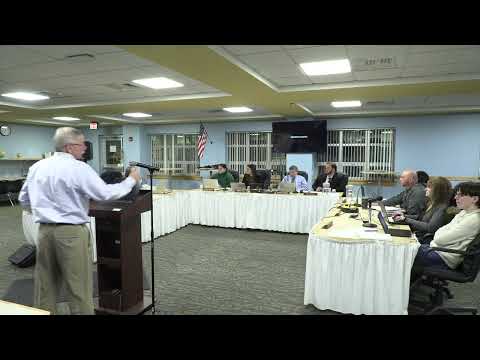
At the Feb. 5 Whitfield High School Committee meeting administrators presented a FY27 draft budget of about $49.55 million and described a roughly $5.4–$5.5 million shortfall. Options discussed to reach a town-requested 4% ask included one-time use of fund balance, delaying or phasing the elementary science kit purchase, and staff/position consolidations.
Administrators presented a draft FY27 spending plan Monday that they said totals about $49,545,920 and leaves an estimated shortfall in the range of $5.4–$5.5 million. The presentation outlined enrollment projections, curriculum purchases, staffing scenarios and several options to bring the request in line with a town‑requested 4% increase.
The presenter summarized the scale of the proposal and the options under consideration: "So for a grand total of $49,545,920," the presenter said, and described trade-offs between one‑time and recurring expenses. Officials described an elementary science-kit purchase budgeted at about $180,000 with an option to reduce that request by roughly $80,000 by phasing or sharing kits between grades, or to move the one‑time portion into fund balance.
Why it matters: the committee must present a school budget figure to the town manager and council; administrators said they could return at the Feb. 26 meeting with scenarios that meet a 4% town ask. Committee members pressed for clarity on which cuts would be one‑time versus ongoing and urged preservation of core curriculum where feasible.
On staffing and programs, administrators described consolidations and reinstatements: consolidating an in‑school‑suspension/alternate placement position instead of two positions, reinstating two elementary math interventionists (previously funded by ESSER), and other FTE adjustments that together produced a projected net change of approximately +3.4 additions and four subtractions in the current draft. A committee member said, "My preference would be to keep all of the curriculum with the exception of the science," arguing for protecting textbooks and instruction where possible while targeting expenditures that are more clearly one-time.
The administration also highlighted key budget drivers: a projected salary increase line of about $1,070,721 (bringing salaries and benefits to roughly $27.7 million) and a projected medical insurance increase near 10%. Transportation was flagged as a large and uncertain cost; presenters estimated next‑year transportation expenses at about $3,564,941 and warned the figure could change with bus counts or statewide contract shifts.
A staff member who reviewed the department’s reserves traced a prior resolution that authorized designated reserves for specific categories (special-education tuition, transportation, utilities and other tuition) and said those reserves totalled about $510,000 on paper but had been limited by the prior resolution to $470,000. The staff member recommended prudence: "You would not want to put yourself in a position where you'd have to go back to the town and tell them your wallet is empty," and suggested fund balance be used primarily for one‑time capital or start‑up costs rather than ongoing personnel expenses.
Other items discussed included a multi‑year plan to add volleyball (phase‑in capital work and recurring coach stipends), reduced textbook purchases tied to increased use of digital classroom licenses for world language, and possible deferral of year‑three of a world‑language rollout to reduce the FY27 ask.
What comes next: administration said it will return with detailed scenarios that would balance the budget at different town ask percentages and recommended the committee be prepared to decide at the Feb. 26 meeting. The committee did not take a formal budget vote Monday but directed staff to produce options and additional breakout detail by school and object code for the next meeting. The presentation and several quoted figures in the transcript were sometimes spoken quickly or with inconsistent formatting; where numbers were unclear in the record the article reports approximate values and flags the district as the on‑source authority for final figures.