Avon homeowners’ 2026 tax bills fall overall as state $300 credit shifts costs to local budgets
Loading...
Summary
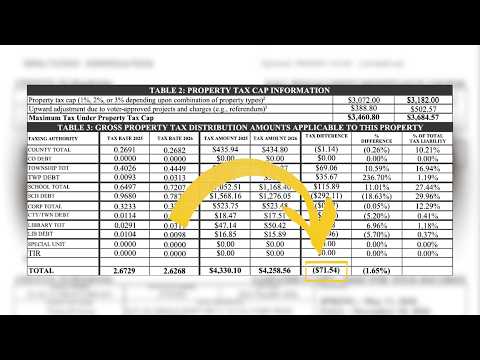
An Avon explainer video shows a typical Washington Township homeowner’s 2026 property tax bill is $71.54 lower, citing a $300 state credit created by Senate Enrolled Act 1 and shifts in school and debt rates that changed local revenue allocations.
Avon homeowners are likely to see a lower overall property tax bill for 2026 despite mixed shifts in tax-rate components, presenters in a district explainer said.
Presenter 1 said the back of the bill shows the detailed calculations and that “on line 3a, you'll notice that the 2026 local tax rate is nearly 5¢ lower than last year,” a change the presenter called a “significant decrease.” Presenter 2 pointed to a $300 homeowner credit on line 4e and said, “This credit was created through Senate Enrolled Act 1.”
Why it matters: the state credit directly reduces homeowner payments but, according to the presenters, also reduces operating funds for local governments and services. Presenter 2 stated that the credit “reduces operating funds for towns, libraries, parks, police and fire, roads and schools across our community,” and said that residential communities such as Avon are more strongly affected.
How the bill is computed: Presenter 2 explained that Line 1a shows a home’s gross assessed value and that after deductions such as the Homestead Deduction the result is the Net Assessed Value on Line 3, the figure to which tax rates are applied. The presenters noted that Table 3 on the bill shows pre-cap tax amounts (taxes before statutory caps are applied), which can make comparisons confusing.
School portion changes: Presenter 1 said the school total rate — the district’s operations rate combined with the voter-approved referendum — rose by about 7¢, while the school debt fund rate fell by roughly 18¢. The presenters attributed the debt-rate drop in part to bond or construction changes, noting that after several major construction projects in 2025, and referenced remarks by Dr. Windham, the district was able to lower its debt rate.
Net example and scale: Using the example homeowner in the video, Presenter 2 said the total property tax for 2026 is $71.54 less than last year and that “many additional Avon homeowners have experienced a similar decrease.” The presenters emphasized that the district serves nearly 11,000 students and said Avon Community School Corp has pledged to “only collect what is needed to serve our students.”
What’s next: the video closed by urging homeowners to review their bill closely and by thanking residents for their support of Avon Schools.