Get Full Government Meeting Transcripts, Videos, & Alerts Forever!
Get email alerts on the Public Comment Policy topic
No spam. Unsubscribe anytime.
Board debates tighter public-comment rules, fact-checking and alternate engagement options
Summary
Board members discussed proposed changes to Board Policy 2:230 on public participation: options included shortening individual comment time, allowing grouped speakers longer time, prioritizing topics earlier in the agenda, and adding alternative engagement venues; one member proposed in-meeting fact checks for repeated misinformation.
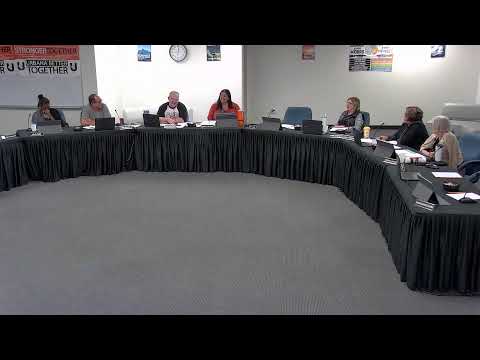
At a study-session discussion of Policy 2:230, Urbana SD 116 board members and administration aired differing views about how to balance public access and meeting efficiency, and whether the board should adopt procedures to combat recurring misinformation in public comment.
Board member Solali urged creating more efficient, practical public-comment options and suggested alternative venues such as school outreach, targeted listening sessions and designated times for hot topics. "I want the public to come and I want the participation," she said, but added that repeating misinformation at multiple meetings becomes disruptive and suggested in-meeting fact checks.
Other board members supported trimming individual time limits (the current policy allows five minutes) and considering a reduced individual allotment—3 minutes—while allowing groups to pool time. A board member suggested placing public comment close to the agenda item being discussed so the comment feeds directly into the discussion rather than arriving at the end of a long meeting.
Administrators and the chair warned about the legal and free-speech implications of pre-screening or censoring public remarks. "At what point are you impinging on free-speech rights of people when they're coming up for public comment by basically saying we need to preview what you're going to say?" the chair asked, urging caution. Administration proposed codifying alternative engagement venues and clearer procedures for petitioning the board before restricting live comment windows.
Why it matters: board-meeting public comment is a key accountability tool; any policy change that narrows or reorders comment windows affects how parents, students and community members interact with elected trustees. The board agreed to ask two members to draft specific policy-language proposals (e.g., revised time limits, group time rules, and an alternative-venue policy) and to return proposals at a future policy-review meeting.
The board also discussed tools to correct demonstrable errors raised in public comments during subsequent agenda debate or board reports rather than as spot rulings during a speaker's time. Members said they would consider documenting corrections publicly during board reports when relevant rather than policing statements in real time.
Next steps: two board members will draft proposed amendments to Policy 2:230 and a companion policy describing alternative engagement opportunities and present those proposals during a future policy-review session.