Get Full Government Meeting Transcripts, Videos, & Alerts Forever!
Get email alerts on the Budget Enrollment topic
No spam. Unsubscribe anytime.
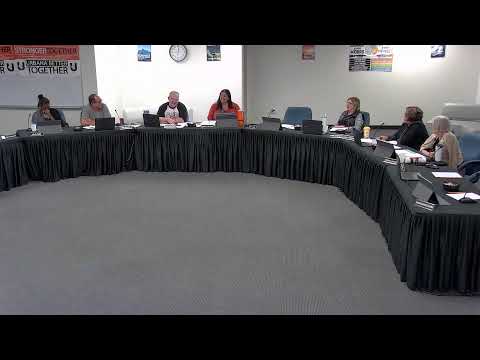
Urbana SD 116 reports lower enrollment, stronger-than-expected fund balance and outlines $23M sixth-grade center plan
Summary
District administrators told the board the six-day enrollment count fell to 4,159 from 4,369 last year, prompting discussion of residency verification and budget sensitivity; finance staff said one-time energy incentives and state evidence-based funding increases improved the FY25 outlook while a $23 million sixth-grade center remains budgeted.
Urbana School District 116 administrators reported a six-day enrollment of 4,159 as of Aug. 29, down about 210 students from the same point a year earlier, and told the board the drop is already shaping grant-based revenue assumptions for fiscal 2025.
Administrators said a large share of early withdrawals showed addresses in neighboring Champaign and that staff tightened online-registration verification this year to require in-person proof for questionable addresses. "We closed the process and required families who we thought maybe didn't live in Urbana anymore to come in and verify their address," a district administrator said. The change produced a spike in entries coded as Champaign and also produced a high "unknown" flag (about 14%) that staff expect to reduce as verification continues.
Why it matters: enrollment drives state funding and some county receipts used in district budgets. Finance lead Carol briefed the board that property taxes still make up roughly 70% of the district's revenue and that timing of tax receipts can move budget-year results by hundreds of thousands of dollars. She said two developments improved the FY25 outlook: the district qualified for an additional tier-1 evidence-based funding year, adding roughly $1.3 million to the revenue picture, and the district expects about $850,000 in energy-related incentives and solar/geothermal credits. "Those resources help this year, but they are one-time and should not be used to fund ongoing staff increases," Carol told the board.
Administrators also reviewed mobility and intra-district movement tied to redistricting and program changes. Staff said about 89% of students remain in-district; some students who appear to have left were confirmed in private, homeschool or out-of-state programs. The district emphasized that fall housing numbers (official enrollment snapshots in September) will determine final grant allocations.
Capital and cash-flow implications: Carol detailed the construction fund plan for a $23 million sixth-grade center, with most costs charged to the capital (Fund 60) and about $1.5 million from sales-tax pay-as-you-go. She said the district has a larger beginning fund balance than projected because FY24 expenditures were underspent (roughly $3.9 million) and certain escrow/TIF amounts are excluded from the operating fund balance. "We ended up with about a $13.1 million beginning fund balance," she said, while noting some large balances are restricted or excluded from operating totals.
Board questions focused on contingency and recurring versus one-time resources. Members asked why legal services and board-consultant lines were high; administration pointed to FOIA work, due-process/special-education cases and anticipated litigation as drivers and said the consultant line was carried forward and will be trimmed.
Next steps: staff will bring final fall-housing counts and the final FY25 budget for board approval; the board agreed to continue watching enrollment trends and one-time revenues before making ongoing staffing commitments.