Clemmons council unanimously adopts resolution opposing proposed state property‑tax cap
Loading...
Summary
The Village of Clemmons council unanimously adopted Resolution 2026‑R‑4 opposing proposed state legislation to limit local property tax authority, citing threats to local services and local control; council members debated the policy and urged state dialogue on funding alternatives.
Mayor Pro Tem Morrison introduced a model resolution for the council to oppose proposed state legislation that would limit local property tax authority and potentially constrained municipalities’ ability to keep pace with inflation. Morrison said the resolution is circulating among many municipalities and counties and urged Clemmons to endorse it.
Council members debated the policy’s effect on local services and fiscal flexibility. One council member said roughly 46% of village revenue comes from property tax and argued the proposed cap would make it difficult to keep pace with rising costs; another council member framed the resolution as a way for municipalities to speak with one voice to the legislature.
Council discussion included both policy and process: some members said the resolution is largely a political statement without proposed alternatives, while others said it is an appropriate first step to signal municipal concern to the state. "This is bad policy," one council member said, urging the village to join other municipalities in opposition.
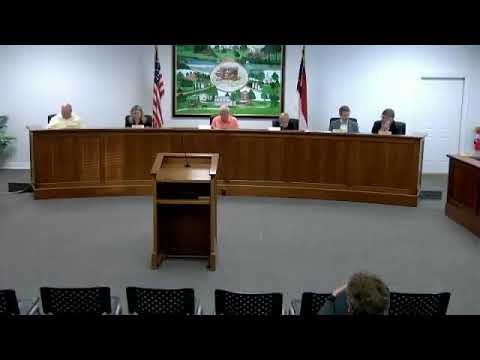
A motion to adopt Resolution 2026‑R‑4 opposing the state proposed tax cap was moved and seconded; the council adopted the resolution by unanimous voice vote.
The council did not vote on specific legislative language or policy alternatives at the meeting; members suggested the village or its municipal league could pursue discussion with state lawmakers about funding options and local needs.