Get Full Government Meeting Transcripts, Videos, & Alerts Forever!
Get email alerts on the Workforce Vacancies topic
No spam. Unsubscribe anytime.
Glendora council receives annual AB 2561 vacancy report, votes 5–0 to receive file
Summary
The Glendora City Council received the city’s annual vacancy, recruitment and retention report required by AB 2561 and voted unanimously to receive the filing; the report showed higher vacancies among police classifications and outlined recruitment and retention strategies, including 1‑day hiring events.
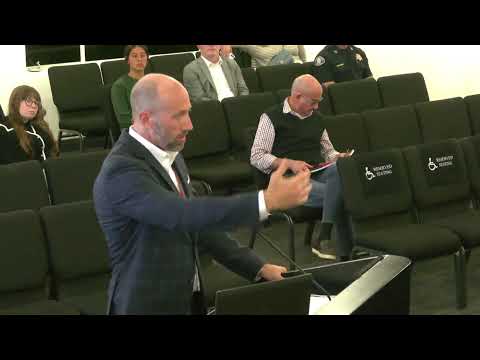
The Glendora City Council on April 19 received the city’s annual vacancy, recruitment and retention report required under Assembly Bill 2561 and voted unanimously, 5–0, to accept the filing.
The report, presented by human resources analyst Jacqueline Clark, used a March 2 snapshot to show current staffing levels across bargaining groups: the AFSCME/general group at about 11 percent vacancies, the Glendora Management Association at roughly 10 percent and the Police Officer Association at 15.4 percent. Clark said the report also documents that “16 percent of employees are eligible to retire now and another 18% within the next 5 years,” flagging an upcoming wave of retirements.
Why it matters: AB 2561 requires public agencies to report vacancy and recruitment activity publicly at least once per fiscal year. Council members used the hearing to probe which positions are counted (Clark said the report covers full‑time represented positions), how remote work and alternative schedules affect hiring, and what the city is doing to shorten recruitment timelines.
Clark described several active recruitment tools: the Grow Glendora program to introduce prospective applicants to public‑sector careers, targeted one‑day hiring events for police that have reduced hiring lead time from weeks to a day for some classifications, eligibility‑list utilization and a tuition‑reimbursement program for skill development. She said some vacancies were already being filled: “we've had employees take advantage of all [the college partnerships]…and we've had them probably for the last 5-ish years.”
Councilmember Michael Alawas commended the report and asked whether the data included full‑time equivalents only; Clark confirmed it does. Alawas then moved to receive the report; the motion was seconded by Councilmember Davis and carried unanimously 5–0.
Next steps: Receiving the report meets the state requirement; council and staff said ongoing recruitment and succession‑planning work will continue, including follow‑up on internships, partnerships with local colleges and tracking of FTEs in the next fiscal cycle.