Lifetime Citizen Portal Access — AI Briefings, Alerts & Unlimited Follows
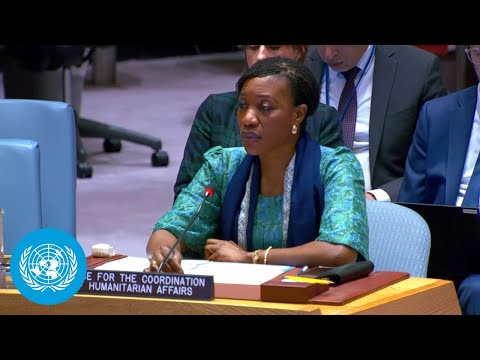
Adim Wosono tells SKU council Yemen crisis is worsening, urges $2.16 billion appeal and release of detained UN staff
Loading...
Summary
Adim Wosono briefed the SKU council that more than 22 million people in Yemen need humanitarian aid, health services are collapsing and 2.2 million children under five are acutely malnourished; she urged immediate funding of a $2.16 billion appeal and the release of detained UN colleagues.
Adim Wosono, a United Nations official, told the SKU council on April 16 that the humanitarian crisis in Yemen has deteriorated sharply and requires immediate international action. “More than 22,000,000 people…need humanitarian aid,” she said, adding that the number is rising and that the situation is worsening daily.
Wosono said hunger is spreading across the country: “More than 18,000,000 people face severe hunger,” she said, and reported that “2,200,000 children under the age of five are acutely malnourished” and that “1,300,000 pregnant and breastfeeding women face life‑threatening complications due to malnutrition.” She warned these conditions can lead to irreversible physical and cognitive damage and, in some cases, death.
She described a collapsing health system, saying two out of every five health facilities are not fully functional, which leaves “more than 19,000,000 people who need health care without it.” Wosono added that vaccine‑preventable diseases including cholera, measles and diphtheria are spreading and placing Yemen among the worst humanitarian situations globally.
Wosono also outlined operational challenges for aid delivery. She said many United Nations assets have been seized, access is severely restricted in areas held by de facto authorities, and 73 United Nations colleagues remain detained by Houthi de facto authorities with limited or no communication with their families. She paid tribute to nongovernmental partners continuing relief operations despite heightened risks.
Pointing to regional pressures, Wosono said a recent regional escalation has driven up prices and strained supply chains: cooking gas has risen by about 26 percent and fuel by about 20 percent, and Yemen imports nearly 90 percent of its wheat, making aid and milling operations highly sensitive to fuel and transport costs.
To address immediate needs, Wosono said the humanitarian response plan seeks $2,160,000,000 to provide lifesaving assistance to 12,000,000 people this year. She noted that last year’s appeal was only 29 percent funded, calling it one of the largest shortfalls in a decade. “It’s a blueprint to avert a far deeper catastrophe,” she said, arguing that the funding gap is widening as needs grow.
Wosono closed with three urgent requests to the council: use council influence to secure the release of detained United Nations colleagues and other staff from NGOs, civil society and the diplomatic community; fund the humanitarian response now; and support the special envoy’s efforts to achieve peace. The president thanked Wosono for her briefing.
The briefing did not include formal votes or policy decisions; Wosono’s remarks constituted an appeal and request for the council’s support and action.