Get Full Government Meeting Transcripts, Videos, & Alerts Forever!
Get email alerts on the Commissions Reform topic
No spam. Unsubscribe anytime.
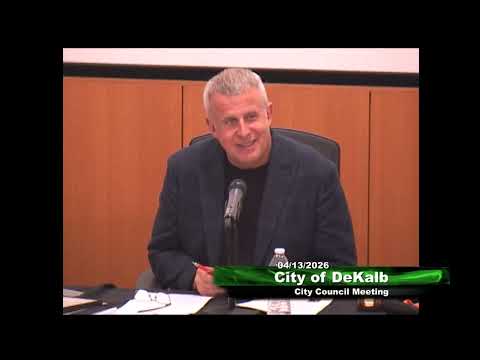
DeKalb council passes first reading of ordinance revising citizen commissions amid public concern
Summary
Council approved first reading of an omnibus ordinance revising multiple citizen commissions, including proposed changes to the Human Relations Commission and Citizens Environmental Commission; public commenters and some councilmembers urged preserving resident representation and regular meeting schedules while staff said reforms aim to improve effectiveness and address quorum problems.
On April 13 the DeKalb City Council advanced on first reading Ordinance 2026‑012, which proposes amendments to several municipal code chapters governing local boards and commissions, including the Landmark Commission, Citizens Police Review Board, Human Relations Commission (HRC), Citizens Environmental Commission and Citizens Community Enhancement Commission.
Public comment at the meeting expressed concern that proposed HRC changes — including shifting membership toward nonprofit executive staff from selected organizations — could limit diversity of lived experience and create perceived conflicts of interest. A resident who identified herself as the executive director of a local literacy nonprofit urged council to "lean into the strength of this town's diversity" and to avoid restrictive membership requirements that exclude grassroots leaders.
City Manager responded that staff are not seeking to reduce community voice but to re‑energize boards that have struggled to maintain quorums and meaningful agendas. He said the proposed changes would give commissions more flexibility on meeting frequency and would prioritize practitioners with day‑to‑day experience on certain topics so advisory bodies can offer actionable policy recommendations to council.
City Attorney explained the amendments remove mandatory minimum meeting frequencies in the code and empower commissioners to schedule regular meetings by vote while allowing chairs or the mayor to call special meetings when needed. The city manager and several councilmembers said that several volunteer commissions have found it difficult to convene and produce substantive work under the current structure.
Council debate was mixed: some members supported a phased pilot that would include nonprofit partners to jump‑start commissions and stressed the option to modify the ordinance if it does not work; others argued the HRC and certain commissions should retain broader resident involvement and scheduled meetings so the public can plan and participate.
The ordinance passed first reading by roll call; council deferred a second reading for two weeks to allow further refinement and stakeholder engagement. The mayor committed to revisit and modify the ordinance if the pilot approach proves ineffective.