Get Full Government Meeting Transcripts, Videos, & Alerts Forever!
Get email alerts on the Municipal Budget topic
No spam. Unsubscribe anytime.
Broadview finance committee hears FY2027 budget; health care, pensions and capital projects drive higher costs
Summary
Finance Director Tom Hood presented the proposed fiscal year 2027 budget to the Village of Broadview finance committee, projecting modest revenue growth but citing employee raises, a 17.2% rise in health-care costs (about $575,000), and planned capital spending including an $800,000 park splash-pad allocation.
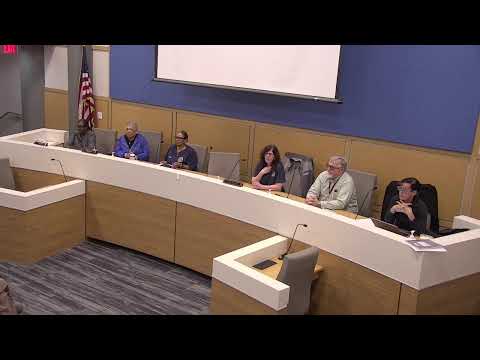
Finance Director Tom Hood presented the Village of Broadview’s proposed fiscal year 2027 budget at the finance committee meeting on April 15, outlining projected revenues, planned capital projects and the main cost pressures facing the village.
Hood told trustees the village’s general fund shows projected revenues of about $22.4 million against projected expenditures of about $22.3 million and that overall revenues are estimated to increase by roughly $1.1 million next year. He warned, however, that rising personnel and benefit costs are the primary drivers of higher spending.
“The other big changes here… the budgeted numbers reflect a 17.2% increase in health care costs,” Hood said, adding that “health care costs alone are increasing by $575,000 this next fiscal year.” He also said collective-bargaining employees are budgeted for 3.54% raises while other employees are scheduled for a 2.9% increase tied to last year’s consumer price index.
Hood walked trustees through specific funds and projects: the motor-fuel-tax fund shows a projected deficit on paper but carries cash reserves, and the village is partnering with the state to replace a failed bridge on 21st Street (the village will be billed for about 20% of the cost). He said the capital projects fund will be used largely for equipment—including rebuilding an ambulance module rather than buying a new unit—and listed an $800,000 planned contribution to the Broadview Park District to complete a splash pad.
On grants and special revenues, Hood said the village expects to apply for and receive a roughly $200,000 CDBG award for a street project (Elizabeth Street) where the full project cost is about $667,000; he also described a planned transfer of about $400,068.95 from general revenue to fund that work. Hood stressed that TIF and grant-funded work depends on increment and reimbursement timing.
Other revenue changes cited in the presentation included a projected increase in ambulance and fire contract revenue (about $809,000 over last year), a reduction in personal-property-replacement-tax receipts, and potential permit revenue from three larger companies expected to locate in the village. Hood said the village moved excess cash into allowable investment accounts to boost return and that planned transfers out of the general fund total roughly $918,000—leaving the fund balance estimated to decline by about $869,000 as the village spends prior-year surpluses on one-time projects.
Trustees asked several procedural questions, including how the state’s bulk salt procurement affects local salt delivery and the timing of grant reimbursements. Hood said state purchasing and delivery schedules partially govern salt availability and that reimbursements to the village will depend on when bills are submitted by contractors or developers.
Trustee Judy Abraham thanked department heads and Hood for the presentation and noted materials and hard copies of the budget are available online and at the front desk. With no public comments, the committee moved to adjourn; a motion, second and a voice vote were recorded and the meeting ended at 7:25 p.m.
Adjournment was the only formal action taken at the meeting; no votes on budget adoption or ordinance changes were recorded.