Lifetime Citizen Portal Access — AI Briefings, Alerts & Unlimited Follows
Shallow subsidy pilot tied to fewer ER visits and improved stability for older adults, panelists say
Loading...
Summary
A 12-month Columbus-area pilot that paid enrolled older adults $330 a month in rental support reported sharper housing stability and a panel-cited 55% drop in emergency-room visits among recipients; organizers and city officials discussed scaling and funding limits.
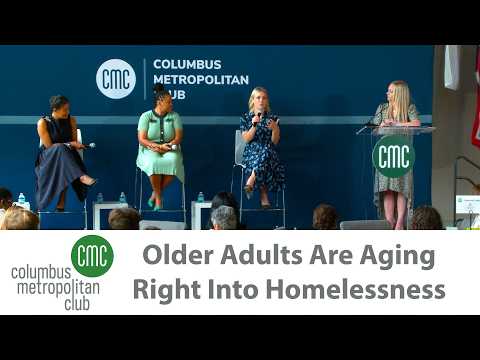
A 12-month pilot in Central Ohio that delivered $330 a month directly to landlords for enrolled older adults produced what researchers and providers called striking improvements in housing stability and health, panelists said at a Columbus Metro Club forum.
Marissa Sheldon, director of the Age Friendly Innovation Center at Ohio State University’s College of Social Work, described the project as a short-term experiment that enrolled current COAAA case-managed clients who met a high housing-burden threshold (spending at least 50% of income on rent). At baseline, participants were spending an average of about 75% of their income on housing, Sheldon said. The subsidy ran for 12 months and was paid to landlords on participants’ behalf.
"We saw really striking results," Sheldon said, citing measures of housing stability, well-being and health. She reported a 55% reduction in emergency-room visits among those who received the subsidy and said the program cost less than $4,000 per person over the year. "You can't do that when you're spending 70, 80, 100 percent or more of your income on housing," she said.
Panelists and organizers emphasized the pilot’s small scale and exploratory nature. Shannon Isom, president and CEO of the Community Shelter Board, cautioned that while the results are promising, they come from a limited sample and local evaluation. "It was a small study, so we're excited to do more," Sheldon said.
Speakers described benefits beyond health-care savings: interviewees reported being able to afford basic necessities and maintain social connections. Sheldon relayed participants' examples of paying for diabetes medication and occasional social outings, and said some used the assistance to reduce debt accumulated while covering rent.
Panelists framed the pilot as proof-of-concept for more durable investments. Katie White, executive director of the Central Ohio Area Agency on Aging, said area agencies are the local backbone for aging services and that a successful pilot could help justify tapping federal or other sustained funding streams.
The panel urged caution about scaling: eligibility rules, administrative capacity, landlord payment logistics and long-term funding sources must be clarified before broader adoption. Sheldon said the program required case-management integration and eligibility screening; details on total participants and statistical power of the evaluation were not specified during the forum.
The forum concluded with panelists calling for policy work to pair direct rental support with prevention strategies — home repairs, tenant protections and targeted discretionary funds — so that fewer older adults need shelter at all.