Get Full Government Meeting Transcripts, Videos, & Alerts Forever!
Get email alerts on the Municipal Governance topic
No spam. Unsubscribe anytime.
Takoma Park council weighs four‑year terms, election timing and referendum options
Summary
At a March 11 work session, the council discussed a proposed charter amendment to change council terms from two to four years, debated staggered terms (generally rejected), fundraiser/turnout tradeoffs, board‑of‑elections staffing and whether to use an advisory or binding referendum; a public hearing is planned for March 16.
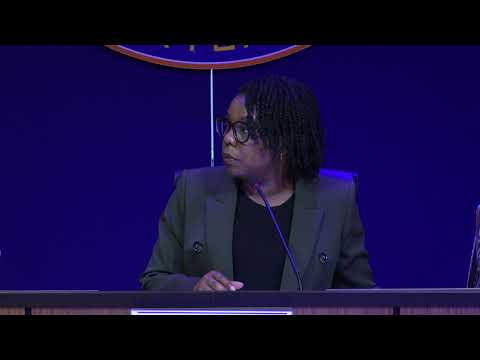
Mayor Searcy opened a council work-session discussion about possible changes to council term lengths, asking members to consider whether to move from two‑year to four‑year terms, whether terms should be staggered, when a change would take effect and whether the council should use a referendum as an advisory or binding tool.
The conversation covered multiple tradeoffs. Councilmember Schlegel said she values accountability and told colleagues that "accountability is stronger with a 2 year term." Councilmember Lamond said she has heard little support from constituents for four‑year terms and warned a longer term could make it harder for challengers and newcomers to run. "Not a single person that has written to me has been supportive of changing to a 4 year term," Lamond said.
Other council members raised administrative and turnout considerations. Several noted the city clerk and the board of elections have asked the council to weigh election timing and staffing burdens; councilmember Westlake stressed even‑year elections and the use of mail‑in ballots have increased turnout in recent cycles. Mayor Searcy framed four‑year terms as a way to reduce the frequency and administrative cost of local elections and to give councilmembers more time to build working teams, but said practical questions remain about implementation and timing.
Councilmembers debated when a change would take effect and whether an immediate transition would leave candidates and voters uncertain. Members discussed legal and logistical constraints—petition thresholds and calendar differences if the city combined its ballot with the county’s—and noted state legislation under consideration could affect options such as merging municipal ballots or using ranked‑choice voting systems.
Staggered terms were discussed and, for the moment, largely removed from consideration; the mayor directed staff to prepare draft language for council review and reminded the public that a formal public hearing on the charter amendment is scheduled for Monday, March 16 at 6:30 p.m. Councilmembers said they will continue the work‑session discussion, solicit resident input at the hearing and circulate potential draft options ahead of future meetings.