Get Full Government Meeting Transcripts, Videos, & Alerts Forever!
Get email alerts on the Immigration Enforcement topic
No spam. Unsubscribe anytime.
Council hears calls for special meeting after residents report increased immigration enforcement
Summary
Residents and at least one council member urged the City of St. Peter to hold a special meeting to address recent increases in immigration enforcement activity and its local effects; staff outlined the 72‑hour notice requirement and suggested possible agenda items including police briefing and rules about federal use of public facilities.
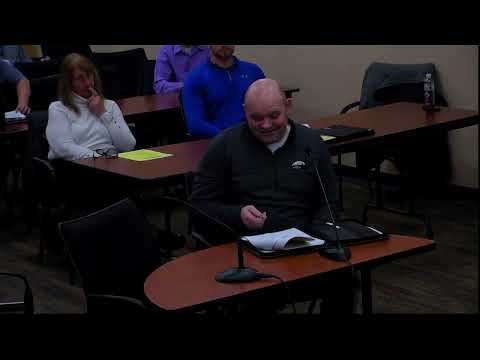
A resident and multiple council members told the St. Peter City Council on Jan. 12 that recent immigration enforcement activity in town has created fear and disruption, prompting requests for an expedited council response.
During public comment, resident Trish Hiscock Austin thanked Council member Carrie for calling attention to what she described as a recent uptick in enforcement and said she supported a special session so the city can "address, think about, reflect, act on ways that we can increase safety" and increase belonging for residents (Trish Hiscock Austin).
Council member Carrie told the council she emailed City Administrator Todd that morning asking for a special meeting to discuss the issue, saying residents and some local business owners are reporting widespread fear and that federal agents appear not to be following due‑process rules. Carrie said she wants a prompt discussion that could include law enforcement and cross‑government coordination and asked that the police chief be present to brief the council on legal protections for residents.
City Administrator Todd and the city attorney explained the process under Minnesota statute for calling a special meeting. The city can hold a special meeting if the mayor calls one or if three council members submit written requests; the statute requires 72 hours' public notice and an agenda that states the meeting's purpose. Todd said possible agenda items could include: what rules apply to federal agencies using local public facilities; requests for data from federal agencies; and a briefing on the city's current rules and options. He cautioned that the city generally cannot prohibit federal agents from being in public rights of way or parks without a lease or other legal authority, but that the council can clarify policies for use of city‑owned facilities and public information practices.
Council members discussed timing and scope. One council member asked that economic impacts be considered; Todd said an agenda could be drafted quickly so the council could meet within the 72‑hour notice window if they declared a meeting that night. Carrie emphasized she does not necessarily seek a public forum but rather a targeted meeting to receive information and outline next steps.
No special meeting date was announced during the Jan. 12 session; council members and staff said they would pursue the procedural steps required if a formal request is submitted. The city administrator said the topics and outcomes should be clearly stated in the meeting notice if a special meeting is scheduled.