Lifetime Citizen Portal Access — AI Briefings, Alerts & Unlimited Follows
Waunakee district asks residents to weigh a $2.1 million operational renewal to fund staff cost‑of‑living increases
Loading...
Summary
The Waunakee Community School District is asking voters via a community survey whether to renew an operational referendum of $2,100,000 per year for four years to fund cost‑of‑living increases for all staff. District leaders said the funds would bridge a documented gap between state funding and inflation and noted the proposed combined referenda would raise property taxes by about $0.43 per $100,000 of assessed value if both pass.
The Waunakee Community School District is asking residents in a community survey whether to renew an operational referendum that would provide $2,100,000 per year for four years to fund cost‑of‑living increases for district staff.
Steve Summers, the district’s executive director of operations, told the listening session that ‘‘the school board is asking the community referendum questions ... to renew the $2,100,000 and move it forward for a 4 year period of time’’ to help close the gap between what the state provides and what the district needs to provide CPI‑level increases.
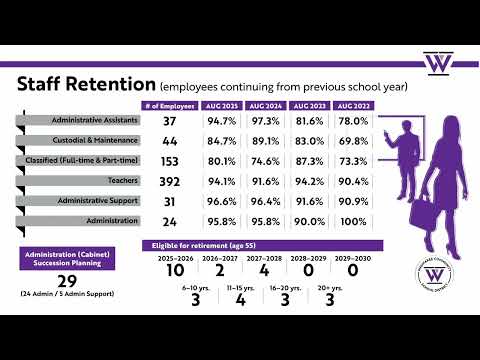
The district framed the ask as recurring pay increases rather than new programs; Summers emphasized the dollars would ‘‘provide cost of living increases to all district staff’’ and said the district has been tracking retention improvements after earlier referenda that boosted hourly pay. Summers cited audited Department of Public Instruction figures the district uses to compare per‑pupil spending with similar Dane County suburban districts.
Why it matters: Summers said state funding has not kept pace with inflation, creating a structural shortfall the district has addressed in past referenda. In materials shown at the session, Summers calculated the difference between inflation and state funding and said the proposed operational question is designed to bridge that gap so the district can recruit and retain staff.
Property‑tax impact and flexibility: The district presented a combined tax estimate for both the operational and capital questions and said if both were approved the property‑tax rate would increase by about $0.43, ‘‘which is $43 per $100,000 of value,’’ Summers said. Summers added the board can choose not to levy the full amount if state aid increases or if rebates and other funding materialize.
Community questions at the session focused on how to explain the referendum to residents without current school ties, whether the $2.1 million is cumulative, and why the board is proposing a four‑year window instead of a permanent change. Summers said past referendum requests had become cumulative and that the board wants to test a four‑year cycle to measure community support before committing to a longer term change.
What comes next: The district asked residents to return survey responses by April 27 so the board can review aggregated results and decide whether to place referenda on a future ballot. Superintendent Dr. Monica C. Brown and staff offered to help attendees complete the survey at the session and invited residents to an evening session for more assistance.
The district did not vote on any measures at the session; it collected community feedback for the board to consider before any formal action.