Get Full Government Meeting Transcripts, Videos, & Alerts Forever!
Get email alerts on the Municipal Court topic
No spam. Unsubscribe anytime.
Municipal judge outlines rising caseload, technology and staffing needs
Summary
Judge Anthony Filosa told Las Cruces city council the municipal court has seen a substantial increase in petty‑misdemeanor and DWI filings, described new compliance and diversion programs, and requested help filling clerk vacancies plus funding for an updated vehicle, courtroom technology and compensation for certified language interpreters.
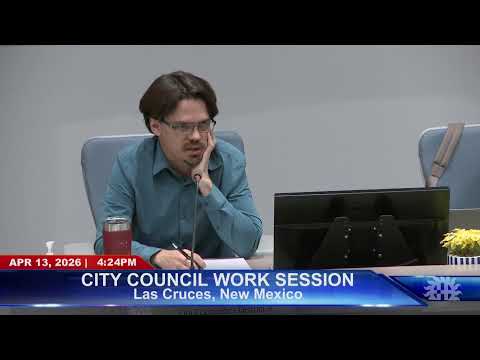
Judge Anthony Filosa gave the Las Cruces City Council a detailed update on municipal court operations and needs on April 13. He described heavier caseloads, recent facility moves, a new public case‑search website and stepped‑up compliance and diversion work aimed at keeping people connected to treatment and out of repeated court cycles.
The judge said the court is “extremely busy,” noting a roughly 61% increase in certain petty‑misdemeanor filings from 2023 to 2025 and a rise in DWI filings. Filosa told the council the court temporarily operated out of City Hall from June 2025 until March 2026 owing to HVAC and other issues, and that staff improvised to keep services running.
He emphasized recent operational improvements: a public online search that allows residents to look up dockets and court dates, expanded remote appearances for traffic hearings, four weekly walk‑in sessions to improve access, and an internal compliance program created in 2025 that makes case‑management referrals to treatment and supervises post‑conviction conditions in many non‑DWI matters. Filosa also described a large, legislatively driven expungement effort tied to cannabis law changes and said staff reviewed thousands of cases before the court’s online system could go live.
Filosa listed near‑term needs for the court: filling three recent clerk vacancies and a court compliance assistant role; compensating certified language‑access specialists for court interpretation work; courtroom audiovisual upgrades to handle video and body‑camera evidence; and replacement of an aging transport vehicle. He urged relocating the indigent attorney funding out of the municipal court budget so the court does not have to recruit or budget for appointed defense counsel and said he supports housing that funding elsewhere in the city budget.
Council members thanked Filosa for the presentation and asked follow‑up questions about the indigent‑defense contract, alternate‑judge appointments under city code and recruitment/retention challenges for entry‑level court clerks. City attorney Brad Douglas and city staff clarified that appointment of any alternate judge would be a mayoral appointment with council advice and consent, and councilors said they would consider the judge’s budget requests as part of upcoming budget deliberations.
The council did not take formal action on the judge’s requests at the work session; staff indicated the vehicle and technology needs are reflected in budget and capital requests for FY27 and that recruitment efforts for vacancies are underway.