Get Full Government Meeting Transcripts, Videos, & Alerts Forever!
Get email alerts on the Finance.levy topic
No spam. Unsubscribe anytime.
Tallmadge officials warn May 5 levy failure could force busing cuts, job losses and higher fees
Summary
District administrators told the school board April 15 that a proposed 5.6‑mill levy on May 5 is needed to avoid a negative cash balance; they said failure would likely mean eliminating some busing, cutting 6–10 teaching positions, raising pay‑to‑play fees and restricting building use. Residents urged voters to support the levy at public comment.
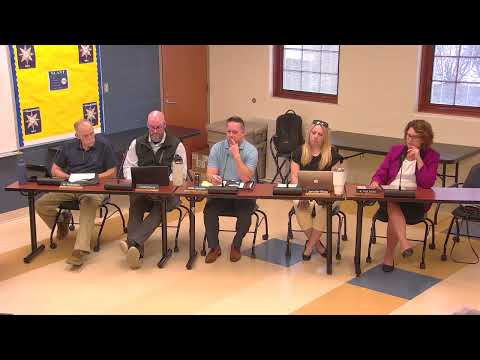
Tallmadge school officials told the Board of Education on April 15 that a proposed 5.6‑mill levy on May 5 is needed to prevent the district from moving into a negative cash balance, and described a range of possible cuts if voters reject the measure.
The presenter (Speaker 6) said the district is “moving towards a negative cash balance, which is something a school district cannot do,” and warned those shortfalls would prompt hard decisions to keep the district solvent. Officials identified likely steps if the levy fails: shifting to state‑minimum busing that would eliminate many high‑school routes and end busing for students who live close to campus; elimination of roughly 6–10 teaching positions; increases in pay‑to‑play fees; restricted building use to reduce custodial labor costs on weekends and evenings; and larger class sizes and reduced elective offerings.
The presenter outlined why the levy is needed, citing a decline in state aid and limits on local revenue growth tied to House Bill 920. The presentation included district per‑pupil spending comparisons, enrollment and staffing trends, and an estimate that transportation cuts could save “a little less than $1,000,000.” Officials repeatedly described the options as last resorts but said they were necessary unless the levy passes.
During the report, administrators also discussed other budget items: ongoing Medicaid audit work and the district’s threshold cost submission, possible additional Medicaid‑related reimbursements, and that some grant and scholarship programs (including the John Peterson and autism scholarships) affect placement and district costs for students with special needs.
Public comment at the meeting featured several residents urging support for the levy. Jim Featulos, a longtime resident, said he had compared national cost‑per‑student numbers and urged voters to approve the measure so the district can continue current services. John Bridal, vice president of the Tallmadge Teachers Association, said the union had unanimously endorsed the levy and warned that eliminating busing and losing teachers would reduce field trips and other enrichment opportunities for students.
Community members also urged clearer, short‑form outreach explaining that some budget pressures stem from state policy rather than local choices. Emily Taylor, who said she owns a digital marketing company, suggested the district break longer informational videos into short clips and use Facebook to reach older voters; Barb Mace thanked administrators for transparency and asked what would happen if state funding formulas changed.
Next steps: the levy (Issue 3) appears on the May 5 ballot. Board members mentioned a community forum April 29 to answer questions about the levy and finances. The board did not take a formal vote on budget reductions at the meeting.