Lifetime Citizen Portal Access — AI Briefings, Alerts & Unlimited Follows
Senate advances registration, tougher penalties for repeat building and fire‑code violations
Loading...
Summary
The Connecticut Senate on April 14 passed SB 274, which requires nonresident landlords to provide point‑of‑contact information to municipalities and increases penalties for repeat building and fire‑code violations; senators debated privacy, municipal costs and whether parts duplicate a law effective April 1.
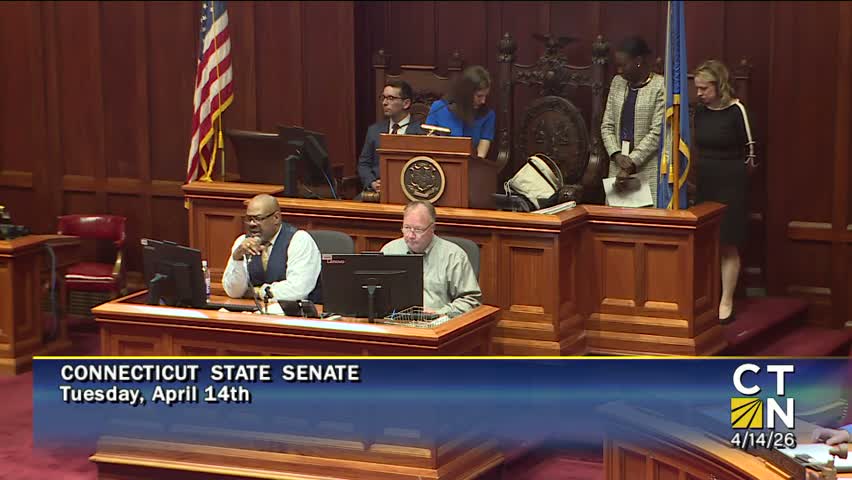
The Connecticut Senate on April 14 passed SB 274, requiring nonresident landlords to provide designated contact information to municipalities and increasing penalties for repeat building and fire‑code violations.
Supporters said the change will help tenants and municipal officials reach owners who do not respond to repair and safety complaints. Senator Grama, the bill’s proponent, summarized an amendment (LCO 3834) that he said “will allow… tenants to access all that information and contact the landlord” and argued the changes will make the measure “work for everyone.”
Opponents and some committee members raised procedural and substance questions during floor debate. Senator Gordon said he had not been alerted to which of two amendments would be called and pushed for clarity about whether the amendment adds new imprisonment penalties or merely tracks existing statute. Grama and other proponents cited existing statutory provisions, saying the amendment’s penalties comport with sections referenced on the record (including the bill’s cross‑references to 29‑254a and related provisions).
Senators also debated privacy and municipal burden. Some senators noted that a related law that took effect April 1 already requires municipalities to collect certain landlord contact information; others warned against overreach that would require owners’ residential addresses, dates of birth or driver’s‑license data to be publicly recorded. Senator Martin, for example, said he was “concerned about the date of birth and the driver's license” being required by the bill. Proponents emphasized that towns would receive the contact information and that the registry was intended to be used by municipal officials to contact landlords for code enforcement, not to publish private data broadly.
The Senate ordered an immediate roll call on the amendment to the bill; the clerk announced the machine‑vote tally and the amendment passed (total voting 34; recorded votes 24 yes, 10 no; 2 absent). Later the Senate voted on the bill as amended and the clerk announced the bill passed (total voting 34; recorded votes 24 yes, 10 no; 2 absent).
Next steps: SB 274 will move to the House for consideration (and, if passed there, to the governor). The floor debate recorded both support for stronger enforcement tools against repeat violators and lingering concerns about data collection, municipal costs and statutory overlap with the law effective April 1.
Reported actions: The Senate adopted amendment LCO 3834 (amendment A) by roll call and later passed SB 274 as amended by roll call vote.