Sedona touts winter marketing gains and proposes targeted summer campaign; council seeks conservative and incremental ROI analysis
Loading...
Summary
City staff and consultants told Sedona council the winter 2025–26 marketing campaign drove about 177,000 website users and $5.2 million in estimated economic impact on a $250,000 ad spend; council asked staff to provide both conservative ROAS and incremental‑lift calculations before finalizing summer 2026 spend and endorsed the proposed strategy.
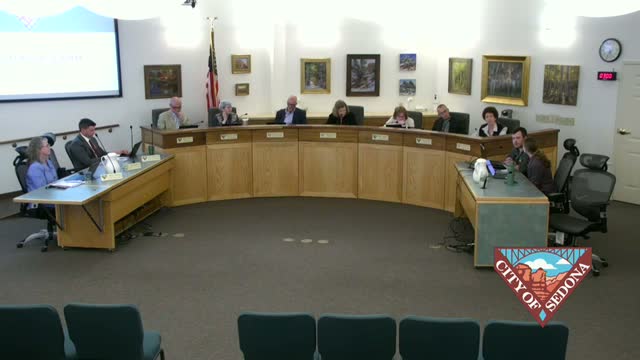
Sedona city leaders on April 14 heard a detailed report on the destination marketing program and tentatively approved a targeted summer strategy while asking staff for more conservative, side‑by‑side return‑on‑ad‑spend figures.
Andrew Grossman, Sedona's tourism manager, said the winter 2025–26 campaign ran from Oct. 7 to Feb. 15 with $250,000 in paid advertising and produced 177,000 website users compared with 88,000 the prior winter. "We saw $5,200,000 in economic impact," Grossman said, and reported an attribution‑based return on ad spend of roughly 32:1 using the campaign vendor's methodology. He and his consultants cautioned that privacy and device‑capture changes have reduced the number of devices that can be tracked into market and that different measurement approaches yield different ROAS figures.
Christian, a partner and digital director at the campaign's agency, described audience targeting and a pilot for "high‑net‑worth" visitors that geo‑fenced luxury hotels and resorts to reach travelers who visit comparable properties. "We set up audiences based on behavior from AmEx top‑resort lists," Christian said. He added that the team used a combination of attribution channels and new targeting to refine the campaign.
Council members pressed staff for multiple ways to report impact. "Are we talking to any tourists and asking if they saw these ads?" one councilor asked, noting that some visitors would arrive regardless of advertising. Staff replied they do not run systematic visitor surveys now but rely on attribution and an "incremental lift" test comparing exposed and control audiences; the incremental analysis showed those exposed to ads were about 6.16 times more likely to visit.
Business leaders at public comment supported continued marketing. David Key, president and CEO of the Greater Sedona Chamber of Commerce, said the work "is strategically happening in winter and summer for a reason" and urged the council to back the campaigns. Retail owner Betsy Klein emphasized that tourism sustains many local businesses and said marketing investments help preserve jobs and local services.
City and consultant staff proposed a $151,900 summer campaign allocation as part of the council‑approved $350,000 annual advertising budget; the campaign would run flight markets March 15–Aug. 1 and drive markets May 15–Aug. 31, with targeted high‑net‑worth ads in several flight markets. Staff said ads would begin May 1 (flight ads) or May 15 (drive markets) if the strategy is supported.
Council members agreed the strategy should continue while staff provides the requested supplemental ROAS calculations — both the conservative attribution numbers and the incremental‑lift figures — to give a clearer range of expected return. Staff said it will return with the additional metrics and noted planned community input sessions (April 21 and May 13) on the future of tourism and the Sedona experience.
What's next: Staff will provide the alternative ROAS and incremental‑lift reports requested by council and proceed with the summer campaign timeline pending any further direction from council.