Lifetime Citizen Portal Access — AI Briefings, Alerts & Unlimited Follows
Residents urge assembly to protect parks, pools, Treadwell Arena and field house
Loading...
Summary
Dozens of residents asked the Juneau assembly to avoid cuts to parks and recreation, highlighting youth programs, mental and physical health benefits, and the region-wide role of Diamond Park Field House and Treadwell Arena.
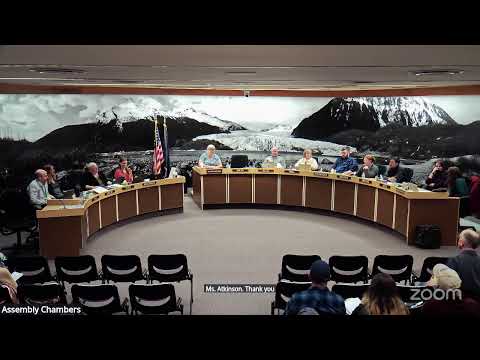
The assembly opened its April 15 listening session to public testimony after staff presented the manager’s budget picture. Over the course of the evening 11 registered speakers urged elected officials to protect parks and recreation services, pools, the Treadwell Arena and the Diamond Park Field House from proposed reductions.
Speakers detailed how recreation supports mental and physical health, youth programming, and community retention. Lexi Raser, president of the Gaston O’Channel Little League, said fields and playgrounds produce “some of my best memories” and warned large cuts would substantially hurt youth programs. Multiple speakers from adult and youth sports organizations — including Dom Pinnone (president, Juneau Adult Hockey Association) and Matthew Rogers (treasurer, Juneau Soccer Club, speaking online) — stressed the Treadwell Arena and the Diamond Park Field House are hubs for regional tournaments, regular leagues and volunteer-driven programming.
Speakers provided usage and participation context: Frank Scarabino cited seasonal and historic community uses of the rink and said the arena drew tens of thousands of user visits over recent quarters; Dom Pinnone and others asked for a dedicated operating line item in the 2027 budget to “hold harmless” Treadwell Arena operations. Kelly Cates, director with the Capital City Soccer League, said the Diamond Park Field House represented a relatively small fraction of the parks-and-rec budget (she reported roughly $300,000 last year from the general fund) and supports about 10 different primary user groups.
When asked if volunteer groups could fully manage facilities, most speakers said full volunteer management was not viable but some supported partial volunteer roles or public–private partnerships to reduce costs. Several residents suggested modest revenue measures — higher user fees, expanded summer programming, special event revenues and targeted visitor fees — but staff and assembly members cautioned those options would not cover multi-million-dollar gaps created by the ballot-driven revenue changes.
Assembly members asked specific follow-up questions about potential cuts and new revenue. Director Flick and Manager Kester repeatedly said user-fee increases and creative partnerships could contribute tens to hundreds of thousands of dollars but would not be sufficient to close the entire FY27 shortfall; they urged continued public participation in upcoming hearings. No formal votes were taken; members said the assembly will continue review in committee and at future public hearings before making final funding decisions.