Lifetime Citizen Portal Access — AI Briefings, Alerts & Unlimited Follows
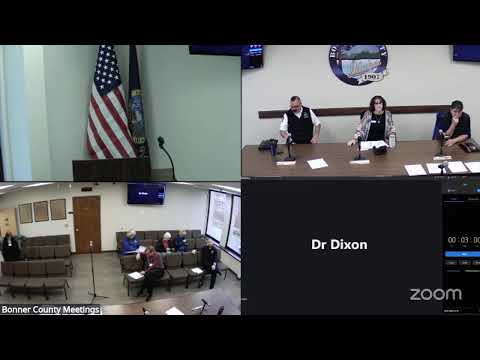
Bonner County EMS pushes for stakeholder talks after repeated disputes over hospital-to‑nursing‑home transports
Loading...
Summary
Board members described frequent, unpaid transports from hospitals back to nursing homes for patients who fall outside medical‑necessity criteria and proposed convening hospital, nursing‑home and county representatives to reach a plan; the board declined to provide 'free rides.'
Bonner County Ambulance District leaders said they will seek a joint meeting with hospital and nursing‑home representatives after repeatedly being asked to transport patients back to facilities after emergency‑department care when transports fall outside Medicare/insurance medical‑necessity rules.
The Chair (S2) described a pattern in which patients are brought to the hospital, treated and then face difficulty returning to their nursing‑home facilities because the homes lack drivers or decline to accept responsibility. "We're certainly not going to give free rides to people from the hospital back to a nursing home when the nursing home has taken payment for these patients," the Chair said, noting that taking such transports without reimbursement would create an unplanned financial burden on the ambulance district.
Board members explained the operational strain: non‑medical transports can occupy an emergency resource (9‑1‑1 ambulance) during peak times and create billing complications for families, who can be required to sign an Advance Beneficiary Notice (ABN) that triggers private billing. A committee member (S4) emphasized the human cost: "What's really sad is it's the patient," the member said, noting many affected patients have dementia and limited family support.
The Chair proposed convening a face‑to‑face meeting including hospital leadership (CEO), physician representatives, nursing‑home facility leadership, and county officials to develop a practical plan. The deputy chief (S3) said the hospital CEO had discussed pursuing grant funding and other options to fund return transports; no contract or final agreement was recorded at the meeting.
A representative (S6) from the state EMS committee offered to participate on a transport committee on behalf of the hospital and praised Bonner County EMS for its TSE certification, noting the county is among five TSE‑certified EMS services in Idaho.
No formal policy or contractual change was adopted at the meeting. The board recorded direction to coordinate a stakeholder meeting and indicated willingness to participate in joint planning but reiterated it would not absorb recurring unpaid transport obligations without a funding or contractual mechanism.
Next steps recorded in the meeting: the Chair requested interested parties coordinate a meeting with hospital and facility leadership; staff will report back on any hospital grant options or proposed contracts for compensating non‑medical return transports.