Bi-State outlines FY27 $203.1M operating request for St. Louis County, commissioners press for sales-tax detail and hard copies
Loading...
Summary
Bi-State Development presented a FY27 transit operating budget that requests $203.1 million from St. Louis County (1.5% growth). Commissioners pressed Bi-State on sales-tax allocations, a prior-year $7M shortfall, and asked for segmented hard copies and follow-up analyses before any vote.
Bi-State Development officials outlined their FY27 operating budget and said they expect a modest 1.5% increase in operating funding for St. Louis County, a request that would raise the county-share from about $200.1 million to $203.1 million.
Tammy Paris, chief financial officer at Bi-State, told the commission the agency projects passenger revenue to rise from roughly $19.6 million in FY26 to about $23.2 million in FY27 — a $3.6 million increase Bi-State attributes in part to the Secure Platform Plan (SPP) coming online. Paris also described a revenue mix that includes federal maintenance funds, local sales tax receipts from St. Louis City and County and St. Clair County, and roughly $16 million in vehicle-maintenance grant revenue.
Paris said operating expenses for the agency total about $339 million and that Bi-State is targeting roughly $5 million of additional operating resources to meet a 1.5% growth goal. She noted a reported operating “deficit” figure driven largely by depreciation (about $24.7 million), which Paris said is funded about 80% by the Federal Transit Administration (FTA).
Commissioners pressed Bi-State on several elements: Councilwoman Days said the commission must be more cautious when budgeting with volatile sales-tax projections and referenced a $7 million shortfall tied to sales-tax receipts in the prior year. "We're going to be looking very, very carefully at that," Days said, asking for the council's outstanding budget-analyst questions to be answered ahead of a deeper review.
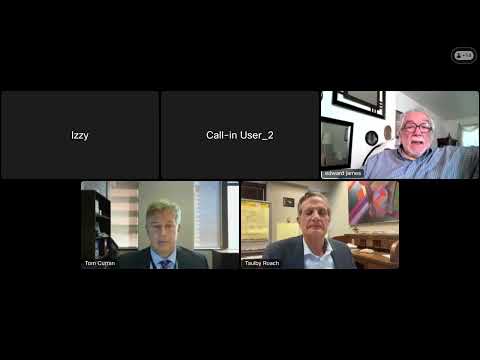
Talby Roach, president and CEO of Bi-State Development, told commissioners the agency produces monthly sales-tax reports and that the shortfall the commission experienced stemmed from lower sales-tax receipts rather than Bi-State’s internal budgeting. "It was the sales tax that was short, not our budget," Roach said, and he said Bi-State had prepared responses to the council's questions and would provide any additional detail.
On security and staffing, Bi-State said it had shifted some security positions from in-house employees to contracted services to gain efficiency. Paris described a $3.5 million reduction in security wages offset by a roughly $2.4 million increase in services for contracted security — a change the presentation said moves some liability to the contractor (named in discussion as Allied Security).
Commissioners also asked whether FY27 budgets include staffing increases to meet rising service demand. Paris said the Colorado bus operator roster was increased by about 20 operator positions in the FY27 budget to meet demand, and Roach said labor remains the dominant operating cost (about 65%).
Several commissioners and staff said they did not receive the full budget book distributed earlier; multiple members requested that future materials be broken into transit-specific sections and sent in time to review them before meetings. Bi-State agreed to resend the materials, provide hard copies by courier where requested, and to forward prior email responses to council questions.
No formal vote on FY27 was taken. Bi-State said it does not expect a commission vote today and anticipates returning with additional detail and materials, with a possible vote in May pending follow-up and CDL budget dive sessions.
The commission also scheduled a likely in-person meeting for May 11 at 4:00 p.m. for further budget review.