Douglas County unveils comprehensive Title 20 rewrite, schedules workshops and surveys
Loading...
Summary
County planning staff presented a proposed reorganization of Title 20 (development code) that consolidates definitions, adds quick-reference zoning tables, proposes new land-use definitions (including an accessory rural event venue), and opens ongoing public comment via a webpage and SurveyMonkey; staff seeks commissioner direction and wider outreach.
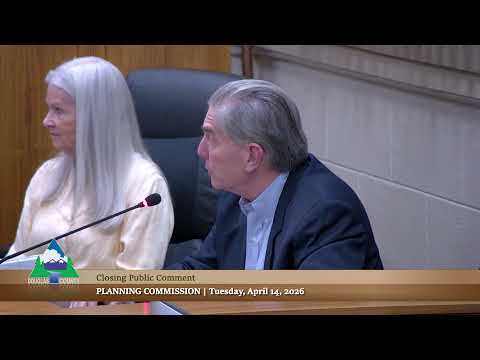
Douglas County Community Development staff on April 14 presented the first public hearing for a comprehensive update to Title 20 of the county development code, outlining a multi-stage public-review process and seeking direction from the Planning Commission on areas to prioritize.
Staff said the package is primarily a reorganization and consolidation: land-use definitions will be moved into Article I, design criteria and improvement standards will be incorporated into Article 7, and several appendices will be folded into Article 8 (development standards). The update includes consolidated, color-coded quick-reference tables for zoning districts and a two-page summary for each district showing permitted uses, setback diagrams, lot coverage and heights.
Kate Morales O'Neil of the Planning Department described public outreach to date (two workshops and an October SurveyMonkey with 102 respondents, 83% residents) and said staff will post draft articles in groups of three as redline drafts on the Title 20 webpage and accept feedback continuously. Andrea Pauling, deputy director, said the county's new permitting software, OPAL (live since March 23), has experienced conversion issues but is working through vendor support and will improve user access to permits and draft materials.
Consultant Ann Marie Lane explained specific proposed changes: consolidating scattered land-use definitions, moving floodplain definitions to a dedicated article, updating terminology to align with state law (for example, replacing "medical marijuana establishment" with "cannabis establishment" where statutes have changed), and introducing the accessory rural event venue land-use category for consideration. Lane emphasized the rewrite is intended to make the code more user-friendly and reduce conflicting language that currently appears in multiple locations.
Commissioners asked for clearer redline drafts earlier in the process, an index, and targeted outreach to frequent users of the code (builders, engineers, developers), while also preserving opportunities for general-public input. Multiple commissioners stressed simplicity, integration with the master plan, attention to TRPA/Tahoe-area terminology, and advance review of growth-management provisions so density and allocation formulas are not unintentionally affected. Staff confirmed a May 27 public workshop focused on Articles 4— and continued coordination with the Board of County Commissioners, targeting an eventual adoption window in late 2026 or early 2027.
"This is our first public hearing, there will be many to follow," consultant Ann Marie Lane said. "We are getting feedback and we will bring draft redlines for review as we go." Staff encouraged the public to use the Title 20 webpage and the ongoing comment link to submit feedback.
Next steps: continuing public workshops, further staff and internal review, incremental redline releases, and a return to the commission and BOCC for eventual approval. The public workshop schedule and documents are posted on the county's Title 20 webpage and staff said print forms will be available at workshops for those preferring paper comments.