Spokane council and planning commission press for clearer public engagement as comp plan work advances
Loading...
Summary
City officials and planning commissioners met in a joint session to align on the comprehensive plan update and work plan, stressing coordination, clearer public visuals and timelines, and next steps on critical areas, historic preservation, and mixed-use zoning.
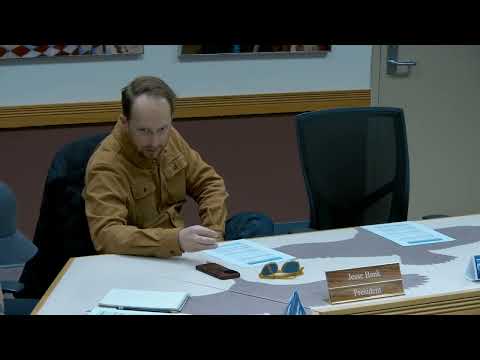
Spokane City Council members and the Planning Commission held a joint session to review the commission’s work plan and the draft comprehensive plan update, with commissioners urging closer coordination and staff outlining the next steps for technical chapters and public outreach.
Planning Commissioner Jesse said the commission wants to keep council members informed throughout the drafting process so councilors have the technical context behind recommendations rather than receiving finished documents. "This kind of conversation is wonderful," Jesse said, adding that commissioners can help explain why specific language landed in draft policies.
Planning staff summarized recent outreach and timing: the Planning Commission’s April 14 special hearing drew about a dozen in-person testimonies, roughly 40 online participants and a large volume of written comment the commission is tracking. "We have just posted a copy of the hearing on the web page," the planning representative said, and estimated the staff will aim to have updated chapters available in May and meet statutory deadlines tied to the periodic update.
The meeting centered on the preferred alternative for the land-use map, described by planning commissioners as a conceptual “blob” map that flags where staff and the commission want to explore zoning or land-use changes, primarily along transit corridors. Commissioners and staff warned that the map’s broad shading can be misread as a guarantee of high-rise development. "It’s hard to look at that map and not just see all of the yellow as it's all yellow," one planning participant said; staff and commissioners said follow-on land-use mapping and the code modernization process will define specific standards for individual blocks and lots.
Council members and neighborhood representatives pressed for clearer, plain-language outreach and a designated communication channel so community assemblies and neighborhood councils know when their input is being solicited and how it was considered. One council speaker urged better demonstrations that public comments were read and considered. Planning Commissioner Jesse noted the commission received approximately 350 pages of public comment on the recent hearing and asked that council and staff continue to explain "where we are in the process" and "what comes next" at each step.
Staff outlined mandated pieces of the periodic update, including the critical areas ordinance (covering floodplains, wetlands, geohazardous soils and ecological corridors) that must align with state Growth Management Act (GMA) requirements; staff cautioned that going beyond state-provided mapping would require city-funded scientific analysis. The planning representative said the critical areas draft is expected to reach the commission this summer.
Commissioners also urged including a historic preservation planning process to anticipate and resolve conflicts over character and growth rather than reacting after disputes arise. Planning staff said the current code includes a process for historic districts and that language supporting a planning process is included in the draft comprehensive plan.
Other topics discussed included potential updates to sign regulations to address older off-premises billboards and how agricultural parcels such as Vinegar Flats fit into growth and open-space goals. Staff and councilors noted that some chapters and technical appendices are still in draft form and that more refined materials and visuals should be released in the coming months.
The session closed with the council president thanking the Planning Commission and committing to continued joint meetings; no formal votes or ordinance adoptions were taken during the session.