Get Full Government Meeting Transcripts, Videos, & Alerts Forever!
Get email alerts on the Municipal Budget topic
No spam. Unsubscribe anytime.
Residents tell Board of Finance that assessments and proposed budget strain seniors and homeowners
Summary
At a Seymour Board of Finance public hearing, residents urged more clarity and relief on senior/disability tax exemptions, decried sharp assessment increases that for some mean roughly $2,000 more in annual taxes, and debated school administrative spending while the First Selectwoman outlined road-cost estimates and potential cuts if the town budget fails.
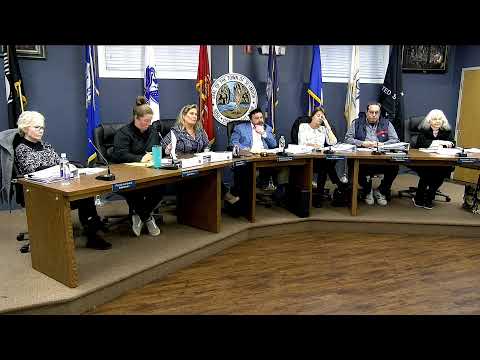
The Seymour Board of Finance heard more than a dozen residents voice concern about the proposed town budget and recent property revaluations, telling members the combination of higher assessments and the proposed mill rate will create real hardship for seniors and other fixed‑income households.
Residents repeatedly said assessments had jumped substantially this year. "This is the first year that our taxes will actually go up 20%," Erica Marcinzic said, adding that her home's assessment rose about 61% and the change increases her family's tax bill by roughly $2,000 a year. Several other speakers reported increases in the 30%–60% range and asked the board to consider the impact on budgeting for mortgages and college costs.
Many callers asked for detail on senior and disability property‑tax relief. Tony Sidrone asked specifically whether reductions for residents receiving disability compensation would be adjusted to offset the mill‑rate change and whether the income threshold for senior relief is based on adjusted gross income or total gross income. "What is that number today? And is it based on adjusted gross income or is it based on gross total income?" he asked.
First Selectwoman Amber Jagonis said she checked with the assessor and read limits for relief as reported at the meeting; she also told the board that, despite a lower mill rate, the disability benefit calculation remains unchanged. Jagonis explained the 7.49% figure mentioned for a recreation position reflects a step increase under the union contract plus a negotiation cushion, and that the town is still awaiting final health‑care pricing and contract results.
School finance and administration drew sharp commentary. Gail Rojola, a former Seymour teacher, said administrative costs were high and presented a per‑student administrative figure she calculated, saying approximately $937.65 per student was going to administration. That claim prompted pushback from other speakers who said administration had been cut and that frontline teachers and building leaders drive student outcomes. Kristen Bruno noted the district has eliminated positions in recent years, writing that "there's nowhere left to cut as far as administration goes," and listed cuts to assistant superintendents and other roles.
Megan Krasinski, president of the Seymour Education Association, urged full support for the school budget, calling line items "essentials" for keeping class sizes reasonable and retaining educators. "We're asking for the resources to keep class sizes reasonable, to ensure students receive the support they need, and to attract and retain the best educators for this community," Krasinski said.
Several residents urged the board pursue economic development to shift more of the tax burden to commercial property and attract new revenue. Joe Crescolo cited the long‑vacant Tri Town Town Plaza as an example of missed opportunity; other speakers recommended a public‑relations and marketing effort to attract business and visitors.
Infrastructure and road funding were a recurring theme, including a specific plea about pothole funding. Theresa Conroy noted the budgeted pothole line was $10,000 and urged a larger allocation; the First Selectwoman said there is additional contingency funding for roads. Jagonis offered cost examples discussed with the town engineer and public works director: about $300,000 to mill and repave a mile, roughly $450,000 to reclaim a mile, and more than $1 million for a full‑depth rebuild of a mile of road. She warned that if the town‑side 1.7% budget fails, staffing cuts would likely be required and would reduce the town's road work capacity.
The chair reminded the public that the board generally cannot respond during comment periods but said staff would follow up on specific technical questions, including the income thresholds for relief. After the public comments, the board closed the hearing without taking immediate votes on the floor; Jagonis spoke for the town with the clarifications noted.
What happens next: the board said staff would provide answers at a future public meeting and that contract negotiations and finalized health‑care rates could affect the final town budget and any needed cuts or reallocations.