Lifetime Citizen Portal Access — AI Briefings, Alerts & Unlimited Follows
San Bernardino council votes 4–3 to ban short‑term rentals in residential zones after heated debate
Loading...
Summary
After hours of public comment and a staff presentation laying out regulation and ban options, the San Bernardino City Council voted 4–3 to adopt an ordinance (MC16‑61) banning short‑term rentals in residential zones, citing public safety, evacuation access and enforcement capacity concerns; opponents urged regulation to protect local hosts’ livelihoods.
The San Bernardino City Council on April 15 voted 4–3 to adopt an ordinance (MC16‑61) banning short‑term rentals (STRs) in residential zones after a long public hearing that drew neighborhood residents, STR operators and advocates.
Staff framed three options: establish a regulatory program with registration, annual fees and inspections; ban STRs in residential zones; or take no action. Staff reported roughly 108 online listings citywide and estimated potential Transient Occupancy Tax (TOT) recovery of about $324,000 annually if the city collected TOT on STR activity. Staff also described a vendor service (identified in materials as Decker/Deckard/DeCA Technology in the record) that can map and monitor listings for an approximate contract cost to the city in the mid‑five figures (staff cited about $16,500 for an initial vendor engagement). Staff said enforcement could require dedicating code enforcement resources and noted CEQA findings that an ordinance regulating or banning STRs would be exempt under the municipal code citations staff referenced.
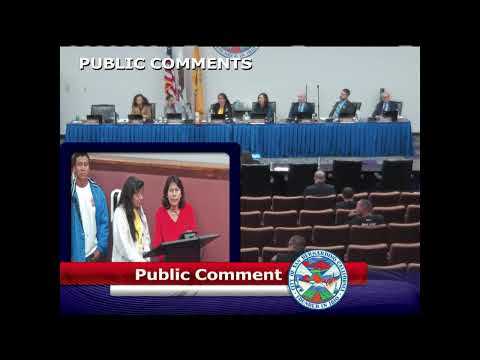
Public testimony was sharply divided. Multiple residents from East Little Mountain and Edgerton Drive described repeated large parties at nearby STRs that blocked narrow evacuation routes, parked in fire lanes, created noise and, in at least one described instance, complicated emergency response during a Halloween night event. Jose Gomez, Alicia Navarro and other residents urged prohibition in high‑fire hazard and limited‑egress neighborhoods and said persistent bad actors posed a public‑safety threat.
Hosts and local operators including Guadalupe Ortega, Eric Mesa, Diane Ablue and others urged a regulatory approach, saying STRs provide livelihoods and that major platforms have safeguards (24‑hour contact requirements, screening and anti‑party measures). They suggested owner‑occupancy requirements, local residency rules and targeted enforcement to address bad actors while preserving income for responsible hosts.
Council members debated enforcement and equity. Supporters of a ban argued the city lacks sufficient, reliable enforcement capacity and that a ban would prevent landlords from shifting problems across neighborhoods. Opponents warned a ban would harm homeowners who depend on STR income and proposed a fee‑based registration and enforcement program instead. Several council members also pressed staff for an updated vendor contract and clearer classification of calls and complaints in the CRM system; staff responded that additional information and updated vendor terms would be provided to council if requested.
Council member Charette moved to adopt the ordinance banning STRs; the motion was seconded by Council member Ortiz. The city clerk recorded votes: Council members Figueroa, Sherritt (vote listed as "yes" in the roll call) and Council member Flores voted yes; Council members Sanchez, Barra and Mayor Pro Tem Canoss voted no; Council member Ortiz voted yes. The motion passed 4–3.
Staff noted that, whether the city bans or regulates STRs, monitoring vendor services and code enforcement would be necessary and could carry recurring costs; a ban would remove the opportunity for registration revenue but still require monitoring and enforcement costs. Council directed staff to proceed consistent with the adopted ordinance; staff and council discussed follow‑up steps including vendor verification of listings, notice letters to operators and enforcement processes.
The ordinance adopted on its introduction night authorized amendment of development code definitions and banned STRs and vacation rentals in residential zones; the council waived further reading and read the ordinance by title. The council did not, at this meeting, adopt separate citywide earmarking of potential TOT revenue or a detailed enforcement budget; those items were discussed as follow‑up matters.