Get Full Government Meeting Transcripts, Videos, & Alerts Forever!
Get email alerts on the Finance topic
No spam. Unsubscribe anytime.
Council unanimously approves tax‑exempt revenue bonds for TIP Property/Caritas LLC
Summary
The San Bernardino City Council unanimously adopted a resolution supporting issuance of up to $15 million in tax‑exempt revenue obligations by the California Enterprise Development Authority for TIP Property/Caritas LLC, a pass‑through financing that staff said will not use city funds.
The City of San Bernardino on April 15 adopted a resolution supporting issuance of revenue obligations, not to exceed $15 million, by the California Enterprise Development Authority for TIP Property/Caritas LLC, a limited liability company affiliated with Community Action Partnership.
City staff described the vote as a TEFRA hearing — a federal Tax Equity and Fiscal Responsibility Act requirement for conduit tax‑exempt bond financings — and emphasized the city is acting as a host jurisdiction in a pass‑through capacity, not using the general fund. The staff recommendation asked the council to hold the public hearing and adopt Resolution 2026‑036 authorizing the CEDA issuance and allowing the city manager or designee to take further steps to effectuate the transaction.
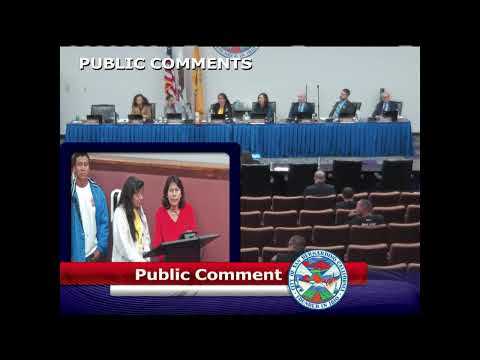
During public comment, Ronald Verrado, a 1st Ward resident and candidate for the 1st Ward council seat, said the council should insist that projects backed by tax‑exempt financing deliver “clear, tangible benefits” to neighborhoods, including local hiring and street improvements. Patricia Nichols Butler, chief executive officer of Community Action Partnership, said TIP Property/Caritas LLC is controlled by Community Action Partnership, described the nonprofit’s 60‑year history serving low‑income residents countywide and urged council support so the organization can sustain and expand services such as housing assistance and food distribution.
Council discussion praised Community Action Partnership’s track record. A motion to approve the staff recommendation was made and seconded; the city clerk recorded unanimous approval. The council noted that, per staff, the financing complies with Internal Revenue Code requirements and that the city’s action creates no direct fiscal obligation for the city’s general fund.
The resolution approving the CEDA revenue obligations passed 7–0. Staff said the financing enables the borrower to access tax‑exempt capital while the city’s role remains limited to the required host‑approval process. The council did not adopt any additional conditions beyond the resolution’s terms at the meeting.