Lifetime Citizen Portal Access — AI Briefings, Alerts & Unlimited Follows
Fremont board warns state bills could curb local levy authority and expand vouchers
Loading...
Summary
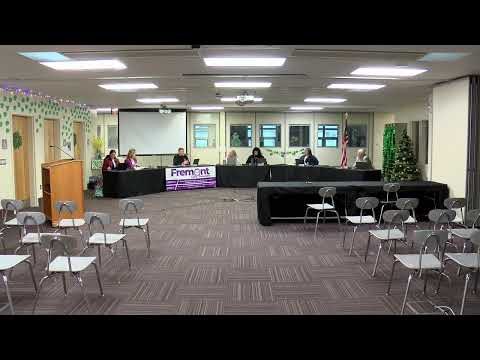
At a Fremont City Schools board meeting, a board member urged caution about several state bills — including HB 420 and proposed voucher measures — saying they could eliminate continuing levies and shift funding decisions away from local voters.
A board member raised alarms that pending state legislation could reduce the district's control over local school funding and its ability to plan long term.
Don, presenting the board's legislative report, said HB 420 would eliminate continuing levies by 2030 and force districts to seek voter approval more frequently. "If our voters say 10 years is fine or continuing is fine, that should be enough," he said, adding that removing the continuing-levy option "has me very concerned." Don warned that without continuing levies, districts may need to return to voters more often and rely increasingly on property taxes.
He also described a separate push on name, image and likeness (NIL) rules aimed at preventing middle- and high-school students from receiving NIL compensation and flagged a House proposal to create a government-expenditure database that could increase local workload without delivering clear benefit to schools.
On school vouchers, Don said the issue raises constitutional questions. "Vouchers go beyond our constitution," he said, arguing that using public funds for private or religious schools would require a constitutional amendment if that is the state's intent.
The comments were explanatory; the board did not take formal action on any of the state bills during the meeting. The board's discussion centered on potential operational impacts for Fremont City Schools should the bills pass and on the need for state-level clarity about funding authority.
Board members did not offer a formal vote or resolution on those legislative items during the session. The legislative report concluded without immediate board direction beyond continued monitoring of the bills and their potential effects on district budgeting and operations.