Lifetime Citizen Portal Access — AI Briefings, Alerts & Unlimited Follows
Exiled Belarusian outlet Nasha Niva keeps reporting from Vilnius with humor and social media
Loading...
Summary
Nasha Niva’s editors, forced into exile after the 2020 protests, say they reach Belarusians through YouTube, TikTok and mirror sites while protecting sources; the editor urged U.S. policymakers not to trust President Lukashenko and to press him with leverage.
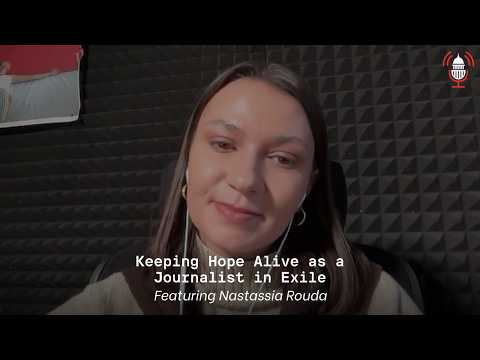
The Transatlantic podcast of the Commission on Security and Cooperation in Europe interviewed Nastasia Bridal, a senior editor at the independent Belarusian outlet Nasha Niva, about how the newspaper continues to report after moving operations to Vilnius.
Bridal said Nasha Niva was forced to relocate after an intensified crackdown following Belarus’s contested 2020 presidential vote and the nationwide protests that followed. "We were the first, in this war with Lukashenko," Bridal said, describing arrests of journalists and the imprisonment of colleagues. She said "around 30 journalists" have been detained and that two editors served roughly two and a half years in prison.
Why it matters: Nasha Niva is one of the country’s longstanding independent publishers and, according to Bridal, its reporting and social-media channels remain a key source of information for people inside Belarus. Losing those channels, she said, would further constrict public access to independent news.
Bridal described several tactics the outlet uses to reach readers despite government blocks: mirror websites and VPNs for blocked sites, and a network of channels on YouTube, TikTok and Instagram. "We have TikTok channels, network of channels, and this is very popular in Belarus," she said, noting TikTok’s large reach in the country and arguing the platform helps the outlet reach younger and diverse audiences.
On audience and formats, Bridal said YouTube tends to reach older viewers (about 45 and older) who migrated from television habits, while TikTok is used to reach younger people and to package news in formats that travel quickly. She said the outlet collects large volumes of engagement — "around 100,000 comments per month" on one TikTok channel, per the interview — and uses that feedback alongside private, secure communications to develop coverage and protect sources.
Bridal emphasized source safety: the outlet accepts tips on secure channels and avoids publishing information that might put people at risk. "We do not want any people in prison," she said, describing strict internal practices for handling sensitive material.
On editorial approach, Bridal said humor and satire are deliberate tools. "We are using humor," she said, arguing satire helps audiences cope and cuts through propaganda by exposing the regime’s contradictions. She cited examples of official actions that become material for satire and said the approach both sustains morale and unsettles the authorities.
Asked what she would tell U.S. policymakers engaging with Belarus, Bridal gave two blunt recommendations: "Do not trust him. Do not believe in anything that he said," and "Do not be afraid of Lukashenko." She argued the regime responds to pressure and that outside governments should use leverage to hold the leadership accountable.
On funding, Bridal said the outlet relies on European and U.S. grants and reader donations collected through common platforms (Buy Me a Coffee, Patreon, Donorbox) and directs supporters to nashaniva.com for donation links.
The episode underscores both the operational challenges independent Belarusian media face and the creative distribution strategies they use to remain in contact with audiences inside Belarus. The host closed the interview by thanking Bridal and noting the broader implications for democracy and human-rights reporting.
Sources: Direct quotes and summaries are based on an interview with Nastasia Bridal on The Transatlantic podcast produced by the Commission on Security and Cooperation in Europe (Helsinki Commission).