Get Full Government Meeting Transcripts, Videos, & Alerts Forever!
Get email alerts on the Budget topic
No spam. Unsubscribe anytime.
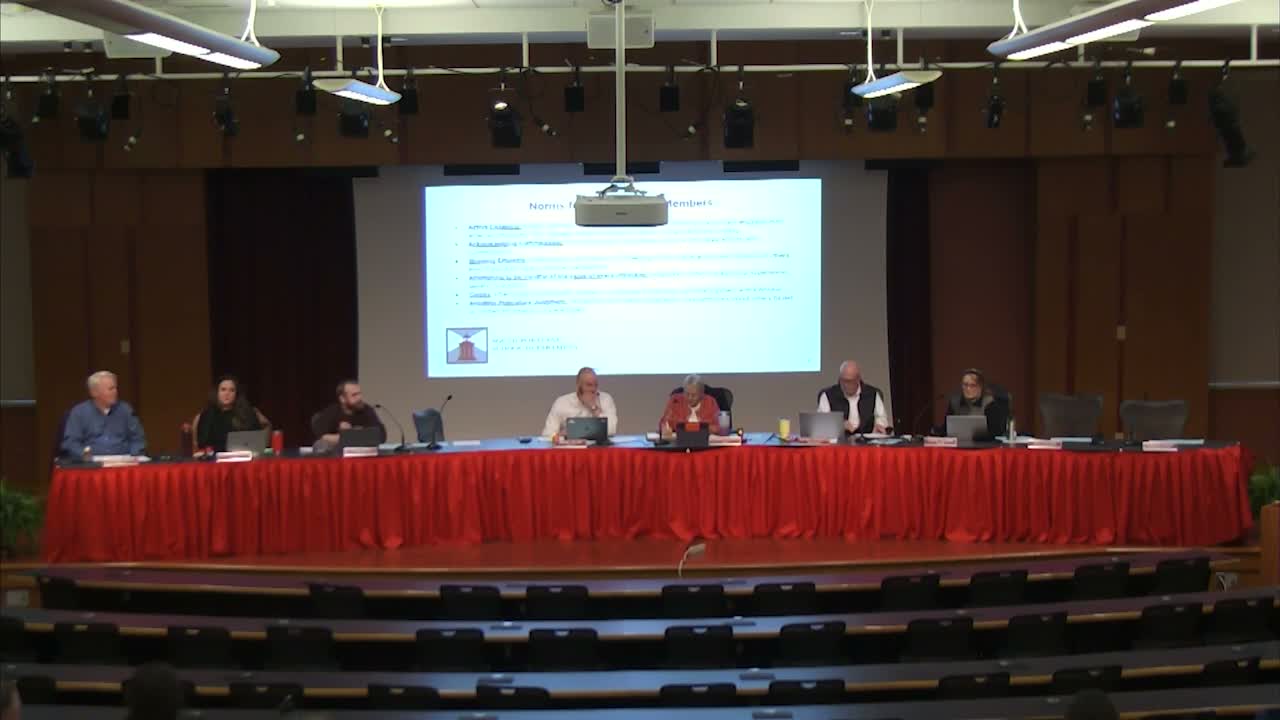
South Portland board advances FY27 budget 4-2 after contentious debate over reconfiguration and staffing cuts
Summary
After hours of questions and more than 75 minutes of public comment, the South Portland Board of Education voted 4-2 on April 7 to advance the superintendent's FY27 budget to City Council. The vote follows debate about proposed school reconfiguration, cuts to student-facing positions, and uncertainty around reconfiguration costs and state aid.
The South Portland Board of Education voted 4-2 on April 7 to advance the superintendent's FY27 budget to City Council, even as parents and educators filled the chamber with objections about the speed and planning of elementary reconfiguration and proposed staff reductions. Board members Holman, Smith, DeAngelis and Risch voted in favor; Members Feller and Richardson opposed the motion.
The administration said a late revision to the district's health insurance increase freed about $655,000 for the local budget. "We learned that that was 5.14% instead," Assistant Superintendent Johanna Prince said during her update, noting the lower-than-expected rise trimmed projected costs and opened options for contingency and one-year hires.
Prince recommended placing roughly 30% of that increment into contingency lines, using about 36% to fund SPTA positions and paid time-beyond-contract (including optional summer work), and allocating roughly 20% toward SPESPA positions and related services. She also proposed posting one-year classroom teacher positions to reduce class sizes, reinstating two elementary special-education ed techs, adding a middle-school related-arts position, and restoring an elementary behavior-support role with BCBA-level credentials.
The budget package the board advanced keeps the district within the board's previously stated ceiling of a less-than-6% local tax increase. Prince told the board the recommended steps are aimed at harm reduction while the district closes an $8.4 million gap it was charged to address.
Board members pressed the administration for details on several unresolved exposure points. Member Richardson asked for clearer estimates of reconfiguration costs, including moving expenses and potential bathroom or facility upgrades. Prince acknowledged that the $75,000 budgeted for moving costs and a recommended additional contingency (about $179,000) are intended to cover likely near-term needs, but that a full line-item estimate of reconfiguration impacts is not yet complete.
Members also discussed potential state emergency appropriations that administration staff said could add roughly $152,000 for students who qualify for free and reduced-price meals and about $150,000 for McKinney-Vento services, but those funds are not yet in hand and may arrive with conditions that affect how they can be used.
Several board members said advancing the budget now allows the district to present a concrete proposal to the City Council next week and continue negotiations about whether the council can offer additional revenue or loans. "We can go to the Council and try to do better," Member Risch said before the vote.
Opponents on the board warned that the package still risks harm to students and staff. Member Feller said the board should exhaust every revenue option with the city before advancing; Member Richardson said deep cuts risk undermining special-education supports and related-arts programs that both educators and families value.
What comes next: the board's adopted proposal will be presented at the City Council workshop on April 14. The administration and board members said they plan further public listening sessions and additional meetings with union partners to refine staffing plans and implementation details if the council process yields more funding or new constraints.
The board also adopted a procedural motion before public comment that limits each public-speaker turn to three minutes and caps each public comment block at 75 minutes; that motion passed unanimously earlier in the evening.
The board's action does not finalize layoffs or assignments. Prince said one-year positions would still be subject to recall rules and contract provisions, and that the administration will return with additional analysis on staffing, safety and specific reconfiguration cost items.
The meeting closed with administrators acknowledging the volume of public concern and pledging more listening sessions and follow-up reports to the board.