City engineer outlines traffic-impact thresholds as council weighs annexations and master plan timing
Loading...
Summary
City staff reviewed traffic-impact study (TIS) thresholds, the review process and how impact fees and the upcoming transportation master plan will guide right-of-way purchases and mitigation; council discussed annexations, enclaves and timing for large developers.
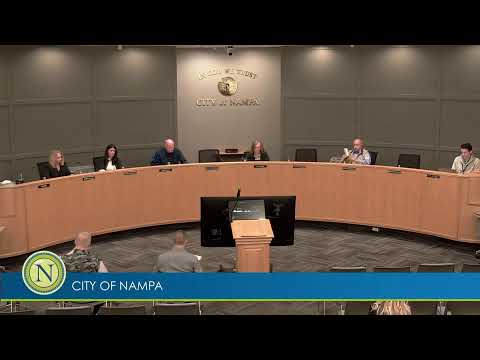
The city engineer briefed the council on the purpose and thresholds of traffic-impact studies and how those studies are used to scope mitigation for new development.
"The triggers that require a traffic impact study are any development that creates more than 100 vehicle trips in a peak hour or more than 1,000 vehicle trips in a given day," the city engineer said, describing how the ITE trip-generation manuals and MUTCD warrants are applied to determine mitigation needs.
Staff explained TIS scopes vary by size: small studies (fewer than 200 peak-hour trips) focus on immediate nearby intersections; medium studies look at roughly a half-mile and the opening year plus five years; large-area studies use regional modeling and can identify mitigations across a wider area. Technical review is done by city staff, a consultant (Paragon), and the transportation division manager.
Council asked whether impact fees can fund buying right-of-way to "close gaps" created by piecemeal development. Staff said impact fees can be used for capital projects if they are included on the capital improvement plan and noted the transportation master plan update (scope planned to council in May) will inform corridor priorities and timing.
Council and staff also discussed annexations to eliminate enclave properties; planning staff said state law allows annexation but the process requires planning steps and may not need to be tied to the two-year transportation plan. The council requested a summary of recent state statutory changes that could affect utility-fee treatment of annexed properties.
No formal actions were taken. Staff will return with the scope for the transportation master plan and a summary of statutory changes affecting annexation and utility fees.