Santa Clara supervisors warn state BHSA shift could imperil suicide-prevention services
Loading...
Summary
Supervisors and advocates told the Health & Hospital Committee that a state-directed shift of behavioral-health funding under the Behavioral Health Services Act risks cutting local suicide-prevention and mobile-crisis programs; the committee voted to receive staff's report and asked for advocacy materials and a letter to state health officials.
Santa Clara County supervisors on Wednesday said they will push state officials to return funding used locally for suicide-prevention after staff explained that the transition from the Mental Health Services Act to the Behavioral Health Services Act has redirected some dedicated revenue to the state.
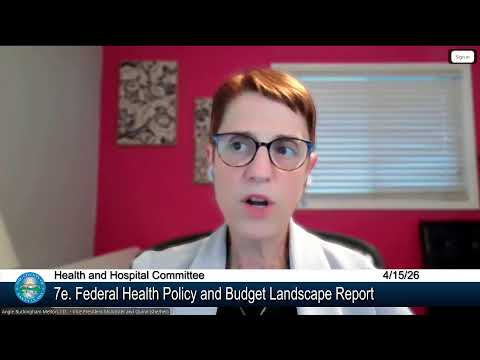
The Health & Hospital Committee received an update on the BHSA transition and related budget risks and voted to accept the report while requesting advocacy materials and a standalone letter to the state. Chair Otterly said the county would prepare a two-sided public information sheet and pursue legislative outreach to urge the California Department of Public Health to redirect funds back to counties.
The discussion centered on an estimated $8,000,000 reduction in local BHSA revenue described by county staff as arising from increased state withholding under the BHSA compared with the prior MHSA structure. "One of the things that was so disappointing about the January budget proposal is that it doubled down on a lot of those impacts," said county staff member James (spoken in committee). He and other staff warned the governor's budget could make the state's mobile-crisis funding optional, which would, in their view, prompt many counties to eliminate the service.
Advocates and residents urged the committee to preserve local crisis services. "For families like mine, this care is not optional. It is essential," said Sandra Asher, a member of the Trust Community Advisory Board, urging the county to create a contingency plan beyond reliance on Medi-Cal reimbursement.
County staff described steps already being taken to increase Medi-Cal billing and provider readiness. "We've been working directly with the VA health care system for targeted outreach for veterans that are unaffiliated... Since our update, we've increased our numbers by six enrolled veterans just by working directly with VA health care," said Darlena Escalante, director of the Veteran Services Office, reporting a modest enrollment gain tied to outreach.
Supervisors pressed staff for more details on which program areas are most at risk and asked for metrics to monitor service impacts if reductions proceed. Vice Chair Alba Coe said she wanted alternatives prepared for the broader budget process: "If we were to preserve this or part of this program, what are some of the trade offs we could look at?" she asked.
The committee unanimously approved a motion to receive the BHSA report and to direct staff to (1) prepare public-facing materials describing the state proposal and local impacts, (2) pursue a separate advocacy letter to the state and local legislative delegation pressing for funds to be redirected to counties, and (3) return alternatives for preserving local suicide-prevention programs during the board-level budget workshop.
Next steps: staff will prepare the one-page advocacy materials and a proposed letter to the state Department of Public Health, and supervisors said they will include the matter in upcoming budget workshop discussions.