Senate approves expanded military‑readiness fund after debate over scope and oversight
Loading...
Summary
The Oklahoma Senate passed House Bill 4045 to rename and broaden a revolving fund for military readiness, expanding allowable uses to equipment, simulation training and economic development. Critics warned of vague language and limited reporting; supporters said the changes protect bases and support jobs.
The Oklahoma Senate on April 16 approved House Bill 4045, renaming and broadening a revolving fund to the "Military Readiness, Innovation, Education and Aviation" program to allow investments in equipment, simulation training and projects tied to military facilities.
Sen. Gallaher, the bill's floor sponsor, described the measure as aimed at keeping the state's bases "relevant in the military space," noting Fort Sill, Altus, Enid and Tinker and arguing that investments in infrastructure and specialized equipment would protect missions and jobs.
Opponents pressed the authors for specifics about prior spending and oversight. "We have no idea how much has been spent," Sen. Hicks said during debate, noting the Legislature lacked detailed accounting for earlier appropriations and raising concerns that the language widened the fund beyond initial military‑school purposes.
Sen. Kurt, who led floor debate against the bill, warned that the measure risked creating a patchwork of projects without a broader strategy. "We need to be more strategic with our funding," Kurt said, urging a statewide plan rather than a series of ad‑hoc allocations.
Sen. Gallaher and other supporters responded the measure includes reporting requirements and a sunset for some programs, and that without action some bases could become less attractive for missions. "We need to keep our military bases with the latest technology," Gallaher said, calling the bill an investment in national defense readiness.
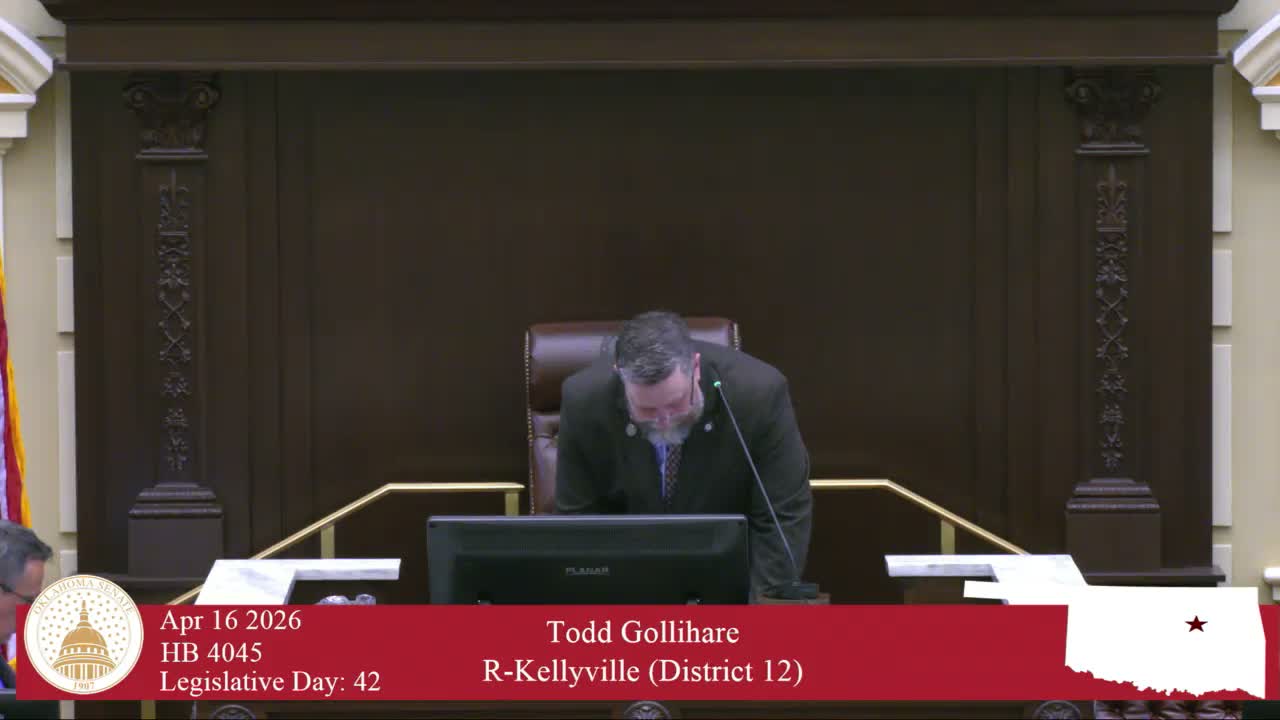
The Senate adopted the joint committee report and passed the bill on third reading; the roll call recorded 37 ayes and 7 nays. The bill moves to enrollment and the governor for consideration under the Legislature’s emergency procedures as requested by sponsors.
What it does: HB 4045 broadens an existing revolving fund to allow equipment purchases, upgrades to facilities on military installations, enhanced simulation training, and related economic development mechanisms. It also changes authorized uses and reporting language to reflect the broader purpose.
What remains unclear: Members asked for and did not receive full line‑by‑line accounting of prior appropriations and expenditures tied to the earlier fund; several senators said they would seek more detailed follow‑up reports from implementing agencies.
Next steps: The bill passed third reading; implementation details and reports on expenditures will be matters for administrative guidance and future legislative oversight.