Lifetime Citizen Portal Access — AI Briefings, Alerts & Unlimited Follows
New Castle County CFO proposes tax increase and reserve use to close $42M FY27 gap
Loading...
Summary
Chief Financial Officer Dave Del Grande presented a $387.6 million FY2027 operating request and said closing a roughly $42 million structural gap will require $23.3 million in additional tax revenue plus $18.4 million in reserves; the county estimates a median homeowner would pay about $102 more per year.
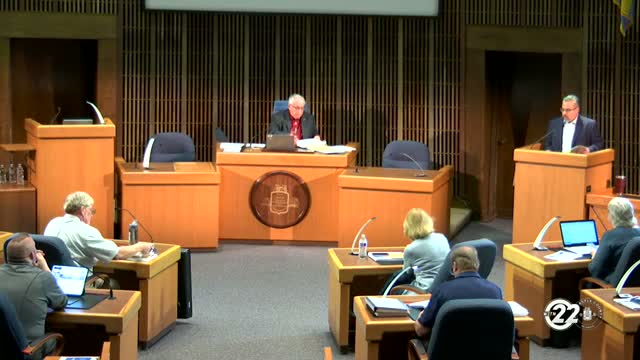
Dave Del Grande, New Castle County’s chief financial officer, told the county council at the first FY2027 budget hearing on April 16 that the recommended operating budget after department reductions is $387,600,000 and that the county faces a roughly $42 million structural gap.
“Their initial request totaled $424,500,000…we cut over $36,000,000 from their request to bring the operating budget down to $387,600,000,” Del Grande said. To close the remaining gap, he said the proposal relies on $18,400,000 in reserves and $23,300,000 in additional tax revenue.
The CFO said cost pressures are concentrated in wages and benefits—which he said account for much of the $16.4 million increase over 2026—and in public‑safety restoration. He explained that 84% of county employees are represented by labor unions and that restoring service levels for police, EMS and emergency communications is a major driver.
Del Grande also listed programmatic and operational reductions used to trim department requests: a hiring pause on 56 nonessential positions, a $1 million cut to part‑time funding that will reduce some library hours, $938,000 cut from special events, delayed nonpriority maintenance and a review of vendor contracts. He said the county intends to pass credit‑card processing fees for some payments to customers, which he estimated would save about $660,000.
Using the assumptions presented, the county projects real‑property tax revenue of about $168.5 million; Del Grande said about $113 million (roughly 69¢ of each county property‑tax dollar) funds public‑safety operations. He said the majority of residents (those outside municipalities) would see a median increase of about $102 a year—roughly a 17.2% increase for the county portion of the tax bill—though the impact varies by municipality.
Del Grande warned that balancing FY27 with one‑time reserves and some ARPA resources is not a sustainable long‑term strategy and described FY27 as a multiyear solution that must be followed by additional revenue or structural changes.
Council members pressed the administration about state mandates (including the Delaware Paid Family Leave requirement), lost interest income due to changes in tax‑bill timing, and whether the county is seeking state reimbursement for costs the legislature has shifted to local governments. Del Grande said the county is in ongoing discussions with state leaders and will share updates as they are available.
What happens next: Del Grande and other general managers will present department‑level budget details at subsequent committee hearings; the council will continue public hearings and has scheduled additional committee sessions for public comment and line‑item review.