Lifetime Citizen Portal Access — AI Briefings, Alerts & Unlimited Follows
Douglas County opens $7 million visitor improvement grant cycle; applications due April 24
Loading...
Summary
Douglas County announced a record $7 million balance in its visitor improvement fund for the 2026–27 grant cycle and set an April 24, 3 p.m. deadline for applications. Staff explained eligibility, review timelines and past awards while local cultural groups described tourism and attendance gains tied to earlier grants.
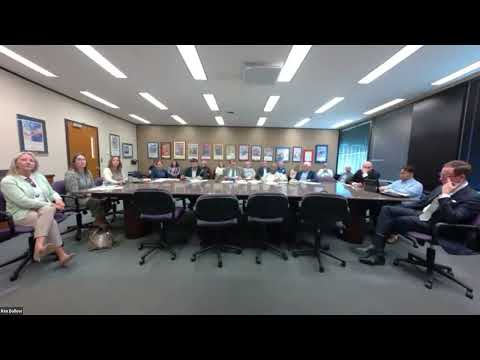
Commissioner Jim Kavanaugh, chairman of the Douglas County Board’s Community Services Committee, opened the meeting to review the 2026–27 visitor improvement fund grant cycle and urged eligible organizations to apply before the April 24 deadline. "We are proud of the ability of the grant process to equitably distribute funds," Kavanaugh said, noting a record balance of "$7,000,000 plus" for the upcoming cycle.
Catherine Hall, an assistant county administrator who oversees the program, said the fund is rooted in the Nebraska Visitors Development Act and is financed by a 2% tax on hotel and motel stays within Douglas County. "The funds are used to improve the visitor attractions and facilities in the county," Hall said. She outlined the schedule: applications are posted on the county website and close at 3 p.m. April 24; the visitors committee will review applications in May at public meetings; the board aims to approve awards in June and notify applicants in July.
Hall provided historical context: since 2009 the fund has invested about $57.5 million in county attractions. In the last cycle the committee recommended 85 awards totaling roughly $5 million, with individual awards ranging from about $1,500 to $273,000. The committee typically groups applications into broad categories such as countywide signature lifestyle & arts, sports and national awareness, festivals, and community diversity to distribute funds across types of attractions.
Todd Simon, chair of the Douglas County Visitors Improvement Fund committee, described the committee’s review process as designed to build a diverse portfolio of attractions and events and to support emerging organizations. "We have, through this process, learned about and helped develop a really diverse portfolio of attractions," Simon said, citing long-term growth of several organizations.
Vice chair Jay Lund said the committee intentionally considers first‑time and small applicants because some can grow into major draws. Several cultural and event organizers spoke during public comment to describe how prior grants increased attendance and brought visitors from outside the county. Jean Neto of the Bemis Center said the center presented six exhibitions that drew roughly 9,000 visitors last year, with "about 30% of those visitors come from outside of Douglas County." Annie Narcisse of the CUET Luminarium said a recent traveling exhibition helped the museum reach "about 158,000 visitors," around "25% outside the state of Nebraska." Michael Weir, representing Hibernian groups, said a mid‑July convention is expected to generate "about 6,000 hotel nights." Speakers credited grants with enabling higher‑profile programming and year‑round operations.
Kavanaugh and committee members urged applicants to seek help from staff if needed; Hall offered to answer questions by email or phone. The committee emphasized geographic equity across Douglas County as it prepares recommendations.
The committee recessed after the public comment period; Kavanaugh reiterated the April 24, 3 p.m. application deadline and said the visitors committee will meet in May to review applications, with the county board aiming to act in June.