Blue Valley board approves 2026–27 fee schedule, including $25 device‑protection fee
Loading...
Summary
The Blue Valley Board of Education approved a package of fee increases for 2026–27 — including a 25¢ lunch increase and a proposed $25 annual Accidental Device Protection fee for secondary students — aimed at reducing deficits and freeing general‑fund dollars.
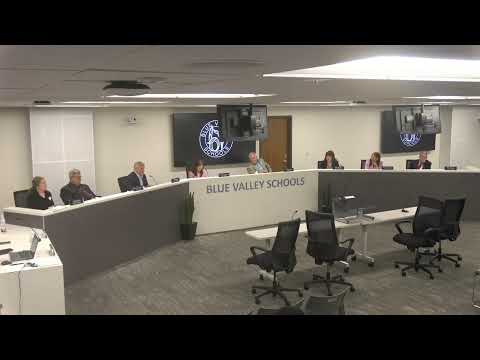
The Blue Valley Board of Education on April 13 approved its 2026–27 district fee schedule, a package of targeted increases officials said will help close mounting budget shortfalls while avoiding deeper cuts to classroom staff.
Board action and what it does: The approved schedule includes a 25¢ increase to student lunch prices (estimated to generate about $330,000 for the food service fund), changes to athletic and activity passes, higher facility‑rental rates and a new Accidental Device Protection (ADP) fee for secondary students. The board voted unanimously to approve the schedule after presentations and questions from members.
Why it matters: District leaders told the board that several funding pressures — declining enrollment, insufficient special‑education reimbursements from the state and rising compensation and supply costs — created a roughly $10 million budget target for reductions this year. Jeremy McFadden, the district chief financial officer, told the board the collective impact of the proposed fees is intended to be about 5% of that target while the remainder must come from staffing and program adjustments.
How the food service numbers add up: Charles Rathbone, director of food nutrition, said the meal‑price proposal would “bring an additional $330,000 to the fund,” and that the department expects to reduce but not eliminate an operating deficit. Rathbone said the food service fund is projected to lose about $1.2 million this year and that the proposed increases would cut that shortfall toward an estimated $700,000 loss next year.
Device protection proposal: Kent Courser, executive director of technology, recommended a $25 annual ADP fee for each secondary student to cover recurring repair costs for district devices. Courser summarized multi‑year repair averages, saying the district spends roughly $687,000 a year on repairs and that a $25 fee would cover about 45% of that average; he said the fee would be collected during online registration and exclude elementary students. “So to sum up, our recommendation for heading into the 2026–27 school year is to institute a fee of $25 per secondary student,” Courser said.
Equity and implementation questions: Board members pressed staff on participation impacts, arrears for families who cannot pay and whether fees shift costs to families. Courser and others said the district will not withhold meals or devices from students and that the ADP fee is intended to avoid more burdensome per‑incident charges that could create operational or equity problems.
Next steps and fiscal context: Staff said fee revenues for food service and activities will be recorded in their respective funds (food service, capital outlay for some technology charges) and explained how some salary costs will shift between operating and capital budgets to free general‑fund dollars. Board members and staff emphasized the fees are a partial step; McFadden said remaining reductions will come through staffing and programming adjustments over the spring and summer.
The board approved the fee schedule by unanimous vote and then moved on to other business.