Get AI Briefings, Transcripts & Alerts on Local & National Government Meetings — Forever.
Delaware committee hears competing medical and public testimony on bill to require offering ultrasound images before abortion
Loading...
Summary
The Senate Health and Social Services Committee heard hours of testimony for and against SB 252, which would require healthcare practitioners to offer patients the opportunity to view ultrasound images and hear fetal heart tones before an abortion; medical societies warned of government intrusion into clinical care while advocates called it strengthened informed consent.
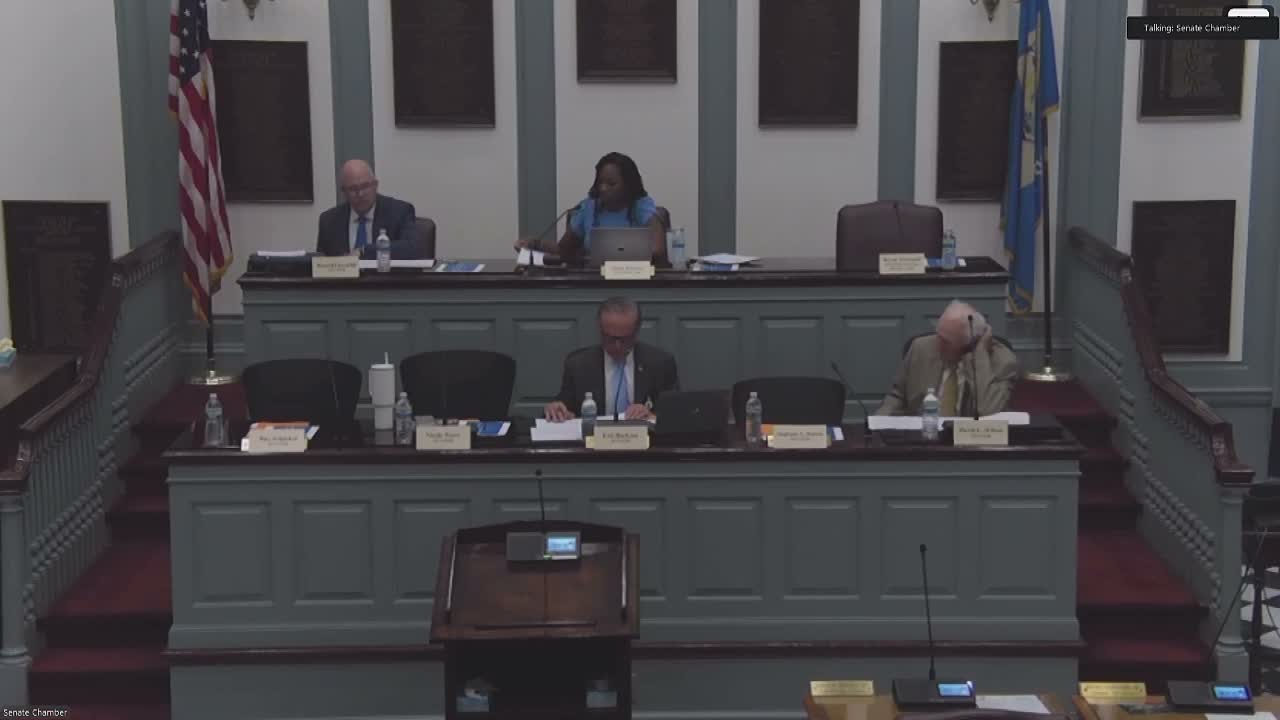
The Senate Health and Social Services Committee heard competing testimony on SB 252, a bill that would require healthcare practitioners to offer patients the opportunity to view ultrasound images and listen to fetal heart tones before terminating a pregnancy. Senator Sandra Richardson presented the proposal and said it is aimed at ensuring women receive “complete information” before making a decision.
Supporters, including Emily Hoepler, policy counsel for Americans United for Life, characterized the bill as narrowly tailored and focused on informed consent. "SB 252 brings Delaware in line with the national medical and legal standards," Hoepler told the committee, arguing that ultrasound and auscultation can confirm gestational age and diagnose ectopic pregnancies and that the measure includes emergency exceptions.
Medical witnesses and professional societies countered that the bill represents improper legislative intrusion into clinical judgment. Dr. Chow, testifying for the American College of Obstetricians and Gynecologists, said SB 252 is "unnecessary legislative interference on medical decision making and the physician and patient relationship," and cautioned that tying documentation to accreditation could create burdens without improving patient safety.
Committee members pressed witnesses on how the bill would differ from existing informed-consent obligations and professional licensure standards. Dr. Chow and other clinicians said informed consent is an ongoing, case-by-case conversation and noted that ultrasounds are not always the pivotal diagnostic tool for every ectopic pregnancy; Hoepler said the measure would ensure the practice is universal rather than left to individual providers.
Public comment was heavily mixed. Nurses and several advocacy groups urged passage, saying offering imaging is consistent with common medical practice and would strengthen transparency. Opponents including Planned Parenthood of Delaware, the ACLU of Delaware, and the League of Women Voters told the committee the requirement could add cost, delay care, or insert the state into confidential medical consultations.
The committee did not take a vote. Chair Pinkney adjourned the hearing after rostered testimony and public comment; senators noted significant public interest and that additional records and written testimony were filed for the public record. The bill remains under committee consideration, with no final action taken during this session.