Get Full Government Meeting Transcripts, Videos, & Alerts Forever!
Get email alerts on the Fraud Cybercrime topic
No spam. Unsubscribe anytime.
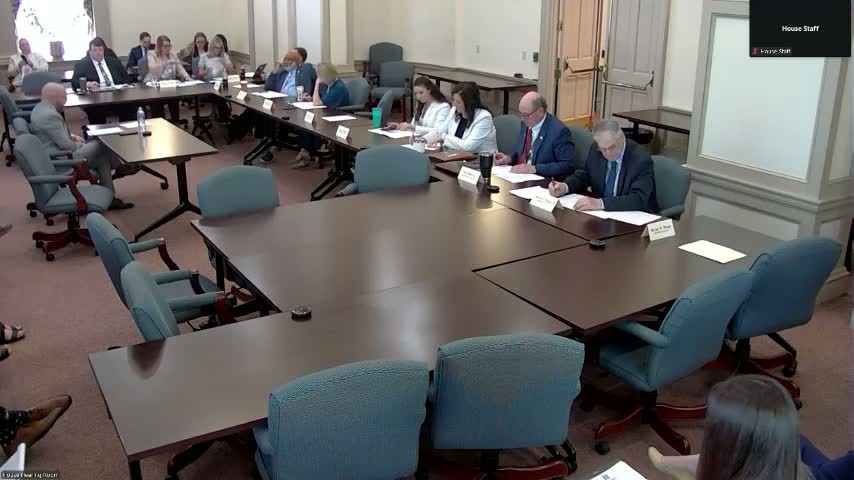
Committee releases bill to raise penalty for theft committed through family‑member impersonation
Summary
House Bill 3 26, aimed at boosting penalties for thefts where perpetrators impersonate family members (often using AI), was released by the House Judiciary Committee after witnesses described cross‑jurisdictional prosecution limits and concerns about mandatory sentencing language.
Representative Morrison presented House Bill 3 26 to elevate theft by impersonation of a family member from a class G felony to a class F felony, saying many modern impersonation scams use AI to mimic a relative’s voice and succeed at extracting money from victims. She relayed an example in which a mother received calls that sounded like her daughter asking for money and later realized it was a scam.
Christie Annelli of the Delaware Department of Justice told the committee that theft becomes a class G felony when the value is $1,500 or more and that the proposed change targets impersonation patterns frequently seen with AI. Members asked whether the measure overlaps with theft under false pretenses or existing protections for senior or impaired victims. Annelli said prosecutors would choose the most appropriate charge and would not double‑charge the same conduct.
Defense counsel Anthony Mahone of the Office of Defense Services urged caution, saying many impersonation schemes originate overseas and rely on unwitting local intermediaries ("money mules"). He warned mandatory minimums and a broad statutory sweep could risk overcharging low‑level participants and recommended regulatory and banking interventions as complementary tools.
Representatives debated a provision that some called a mandatory minimum (lines 27–32); Representative Griffith said she would support the bill if that language were struck, and Representative Morrison agreed to consider striking it. After public comment and discussion, the committee voted and released HB3 26 for further legislative consideration.
The committee’s release does not itself change sentencing law; the bill will proceed to the floor where additional amendment and debate are possible.