Get AI Briefings, Transcripts & Alerts on Local & National Government Meetings — Forever.
Committee advances bill tightening literacy reporting, shifting annual deadline to August
Loading...
Summary
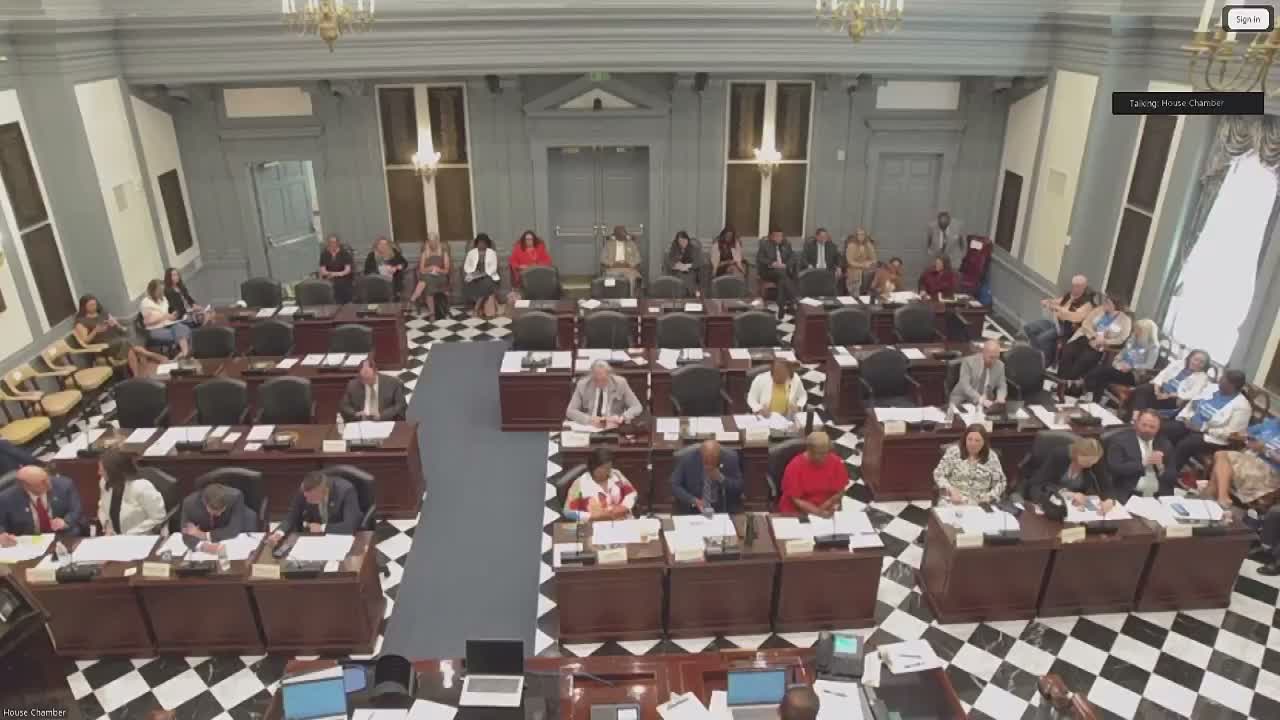
HB267, filed to improve evidence‑based reading reporting, was released by the House Education Committee after testimony from the Secretary of Education and school administrators about vetted screeners and statewide reporting practices.
The House Education Committee released HB267, a follow‑up to prior literacy legislation, amending Title 14 to change when and how districts report screening data tied to evidence‑based reading initiatives. Representative Williams said HB267 removes a mid‑year reporting requirement and shifts the annual submission from December to August while adding district‑level analysis of the October 31 and June 30 data submissions.
Secretary Martin (DOE) told the committee Governor Meyer has declared a literacy emergency and the state’s strategic plan emphasizes implementing the science of reading. "You have to know in an ongoing way, which is what the original bill was intended to do," the Secretary said, arguing that pre/post data allow teachers and districts to adjust instruction and measure growth.
Committee members pressed for details about screening tools and dyslexia identification. The Secretary said DOE has narrowed the list of vetted universal screeners from roughly 30–40 down to about eight (soon to be nine) options; those screeners report common characteristics associated with dyslexia so districts can follow up with deeper assessments. She and DOE staff explained that vetted screeners can be translated into at‑/below‑benchmark cut points so statewide, comparable reporting is possible even if districts select different screeners.
Kendall Massett of the Delaware Charter Schools Network said the proposed report provides useful data but urged the General Assembly to reduce duplicative reporting for local education agencies. "The level of reporting requirements for our LEAs is insane," Massett said, adding he is working with DOE to identify reports that can be removed.
After questions and public comment, the committee polled members and released HB267 for further consideration.
Next steps: HB267 will proceed from committee; DOE and stakeholders are expected to coordinate on vetted screening tools and the aggregated reporting format before further legislative action.