Delaware committee votes to release kratom‑regulation bill after hours of testimony from consumers, clinicians and advocates
Loading...
Summary
HB 3 32 (transcript label HB 332) would regulate kratom sales by setting age limits, labeling and testing requirements and banning synthetic alkaloids; the committee released the bill after extensive in‑person and virtual testimony both for regulation and opposing it on safety grounds.
Sponsor and committee members framed HB 3 32 as a regulatory, harm‑reduction approach rather than a ban. Representative Ross Levin (sponsor summary) said the bill defines kratom, requires honest labeling and testing, bans certain synthetic compounds, sets a minimum purchase age of 21, restricts youth‑oriented marketing, and establishes enforcement and penalties.
Supporters—many of them consumers, small‑business owners and harm‑reduction advocates—testified that natural leaf kratom helps with chronic pain and recovery and that regulation would keep contaminated or deliberately adulterated products off the market. "This is a great bill. It protects freedom for adults to make their own decisions about their well‑being while also holding businesses accountable," said an in‑person speaker (Adam, S33). Representatives of the American Kratom Association and several vendors urged testing, labeling and a clear line distinguishing natural kratom from synthetic derivatives.
Opponents and family members described deaths and serious harms they attributed to kratom or kratom products. Susan Efferd (virtual, S38) recounted that her son died in 2021 and said his toxicology listed mitragynine; she urged caution and highlighted the FDA’s warnings. Other speakers urged that synthetic products such as concentrated 7‑OH derivatives be banned and that testing and certified laboratories be required to prevent deceptive labeling.
Committee members pressed sponsors on testing and enforcement details. Representative Heffernan asked how the state would ensure testing by certified labs and prevent mislabeling; the sponsor said the committee had received enforcement feedback late and committed to working with alcohol/tobacco enforcement and other stakeholders on an amendment to specify testing protocols.
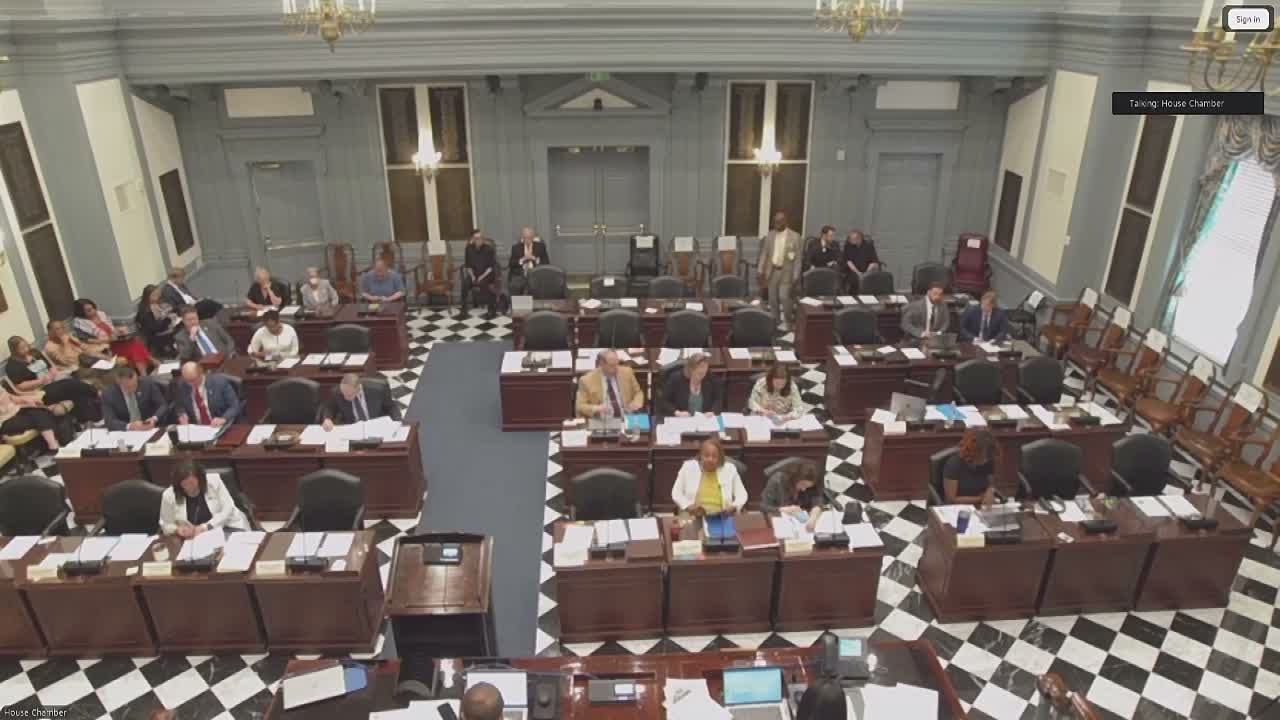
After extended in‑person and virtual public comment (many voicing personal recovery stories or business‑level concerns and several reporting deaths or adverse events), the committee moved and carried a motion to release HB 3 32. The sponsor and members said they intend to refine testing and enforcement language before the bill moves forward.