Lifetime Citizen Portal Access — AI Briefings, Alerts & Unlimited Follows
Council approves cured‑in‑place pipe project, citing cost and minimal road closures
Loading...
Summary
City Engineer Brandon Braithwaite explained a 2026 CIPP sewer‑lining project that city staff say will avoid road closures and is 100% sewer‑funded; council approved resolutions ordering plans and approving plans/specs to advertise for bid.
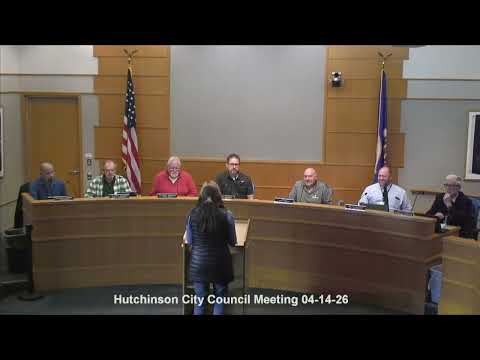
The Hutchinson City Council approved two resolutions on April 14 to move forward with a 2026 cured‑in‑place pipe (CIPP) sewer‑lining project that city staff said will limit road closures and extend the life of existing pipes.
City Engineer Brandon Braithwaite described the CIPP method — sliding a resin‑impregnated liner into existing pipeline segments, inflating and curing it with steam or UV light, and then cutting service openings — and said the work can often be done without full road closures. He told the council the liners are structural and the expected life is similar to modern plastic pipe, in the “80 to 100 year” range.
Braythwaite said the 2026 project will include a base bid and alternates (Dale Street and K Street examples were shown), that the work is typically crewed by a small team with specialized vehicles, and that the project is 100% sewer‑funded so there will be no assessments for property owners.
Council closed the public hearing and approved the resolutions to order preparation of plans and specifications and to approve plans and advertise for bid (resolutions 16021 and 16022). Council moved and approved both resolutions by voice vote (motion by Pat; second by Tim). Staff said the project window extends through the end of the year to allow contractors to choose curing methods and staging.
Council members asked technical questions on liner thickness, specification methods, contractor responsibilities for pre‑ and post‑camera inspections, and candidate segment selection. City staff said cameras and pre‑work logs will identify service locations and that contractors will be required to camera lines before and after work.