Senate panel backs tougher rules for scrap-metal dealers to curb copper theft
Loading...
Summary
The Extended Commerce Committee reported as amended a bill that would tighten identification, recordkeeping and payment rules for copper and brass transactions, require daily reporting to law enforcement-accessible databases and ban untraceable cash payments for high-risk metals.
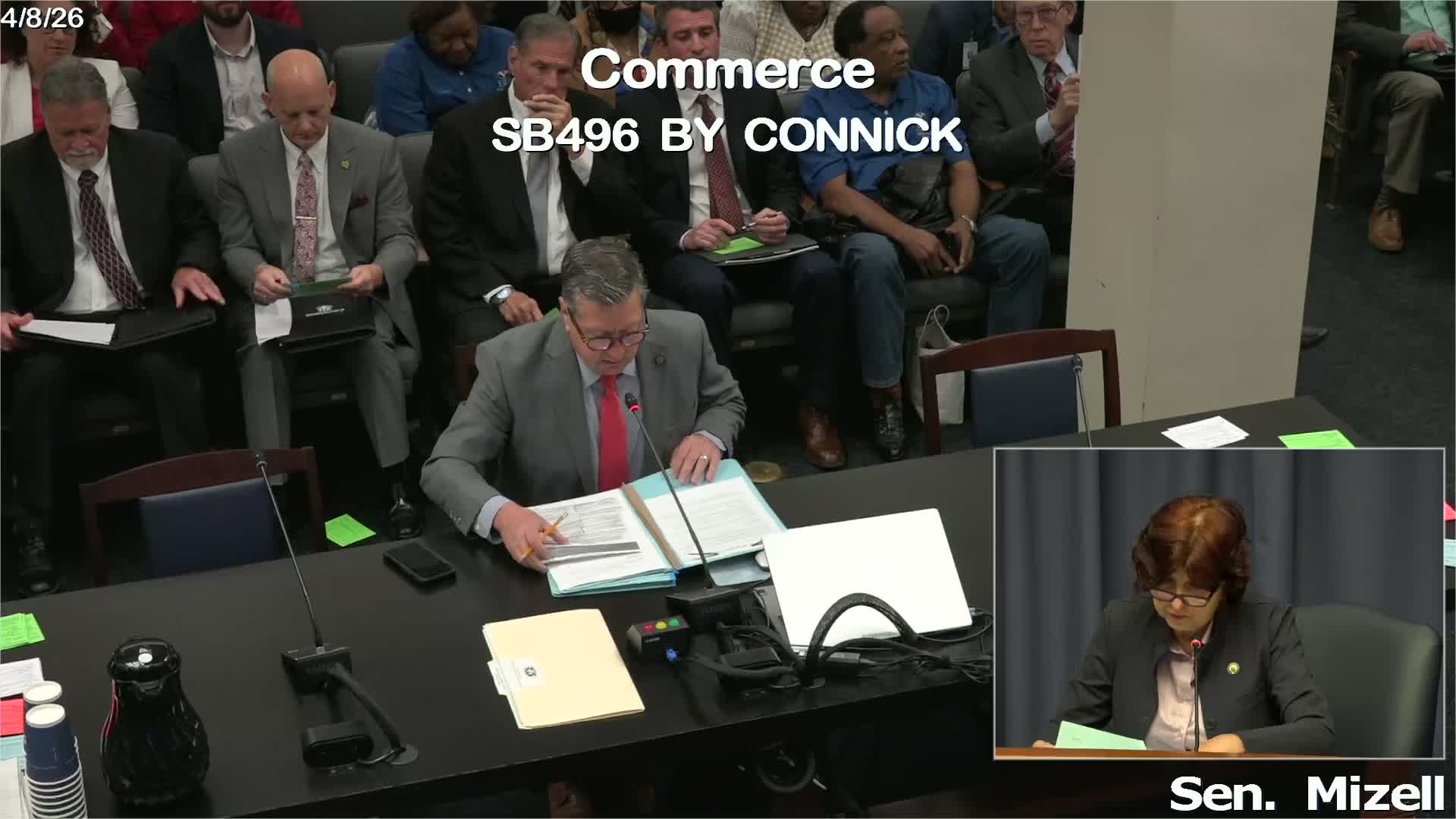
Sen. Cyrena Connick urged the Extended Commerce Committee on April 8 to strengthen state rules for scrap‑metal recyclers to reduce widespread copper and brass theft that has damaged infrastructure and private property. The bill expands the definition of covered materials, clarifies business‑to‑business exemptions, requires strict identification and recordkeeping, and bars cash payments for high‑risk metals in favor of traceable payment methods.
Supporters told the committee the bill addresses frequent thefts that cause outsized damage relative to the proceeds of the sale. Chandler Kennett of Southern Recycling said the proposal — including photographic records of sellers — would help law enforcement identify stolen material and speed investigations. ‘‘We'd like to stop that. Putting forward the pictures, we believe it’ll help identify material that’s been stolen and hopefully help law enforcement engage quicker,’’ Kennett said.
Logan Anderson, representing Yemar, praised Sen. Connick’s collaboration with industry and law enforcement, saying the group had worked for months on the proposal and expected it to ‘‘substantively impact’’ theft problems. Connick noted the thefts’ ripple effects on utilities and historic properties and asked for a favorable report as amended. The committee adopted a technical amendment (amendment set 1810) and, without objection, reported the bill as amended.
The bill’s central enforcement mechanisms are recordkeeping and reporting that regulators and law enforcement can access; the legislation also narrows exemptions for legitimate dealers to reduce a market for stolen scrap. The committee did not record a roll‑call vote in the transcript; members agreed to report the measure as amended. The author said she will work with law enforcement and industry on implementation details.
The committee moved on to other agenda items after the report; no implementation deadline was specified in committee testimony.