Get Full Government Meeting Transcripts, Videos, & Alerts Forever!
Get email alerts on the Eviction Redemption topic
No spam. Unsubscribe anytime.
Committee hears bill to let tenants ‘pay to stay’ before eviction
Summary
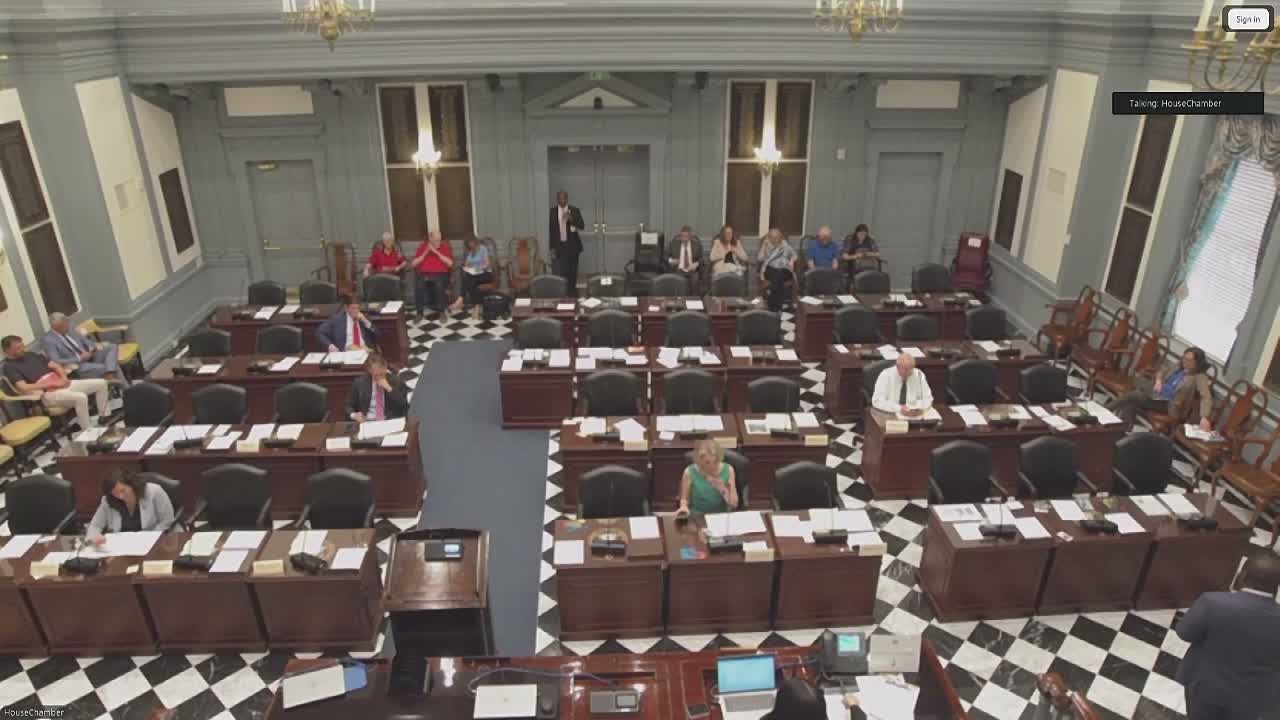
The Delaware House Housing Committee considered Senate Substitute 1 for SB 116 (with Senate Amendment 1), which would create a right of redemption allowing tenants to pay owed rent and fees to stop an eviction for nonpayment. The committee lacked enough votes to release the bill but will circulate it for additional signatures.
The Delaware House Housing Committee on [date] heard testimony supporting Senate Substitute 1 for SB 116 with Senate Amendment 1, a proposal to let tenants facing eviction for nonpayment halt the process by paying all rent and court-awarded fees before an eviction is executed.
Sponsor Representative Johnson told the committee the bill narrows the right of redemption to nonpayment cases, covers standard leases and manufactured-housing communities, and limits eligibility to tenants with no more than three judgments in a 24‑month period. "If a tenant can pay what they owe, they should be able to stay in their home," Johnson said.
Advocates and nonprofit lawyers who testified said the measure would reduce avoidable homelessness and downstream public costs. Sarah Ryan, deputy director of Community Legal Aid, said the bill focuses on payment and equity, and recounted client stories where short-term crises prevented timely rent payment. "This bill is about payment, and it's about ensuring that landlords are fully paid for all of their costs," Ryan said.
Becca Cotto of YWCA Delaware described a shelter client who lost housing after a landlord refused late payment and urged the committee to "give tenants like Jamie a chance to catch up and stay in their homes even after a court case is filed." Public commenters also emphasized the bill's potential to reduce trauma, stabilize families, and lower system costs.
A landlord representative, Jerome Heisler of the Raybould Group, said he generally supported the bill’s goals but asked the committee to consider two changes he called important for the state's circumstances: lowering the judgment-count threshold from three to two and sunseting the change after two years to assess effects on smaller landlords. "I'm asking for those two changes," Heisler said.
On procedural action, Representative Gorman moved to release the bill from committee; Representative Carson seconded. The roll call produced five yes votes and one no (Representative Jones Geltner). With only six members present the chair said the committee did not have the necessary votes to release the measure that day, and the bill will be circulated for additional signatures.
What’s next: The bill remains under consideration. Committee staff will circulate the measure for signatures; if it receives the required number it will be reported out on the legislative website and announced on the House floor.