Louisiana committee backs bill to raise wrongful-conviction compensation cap from 10 to 15 years
Loading...
Summary
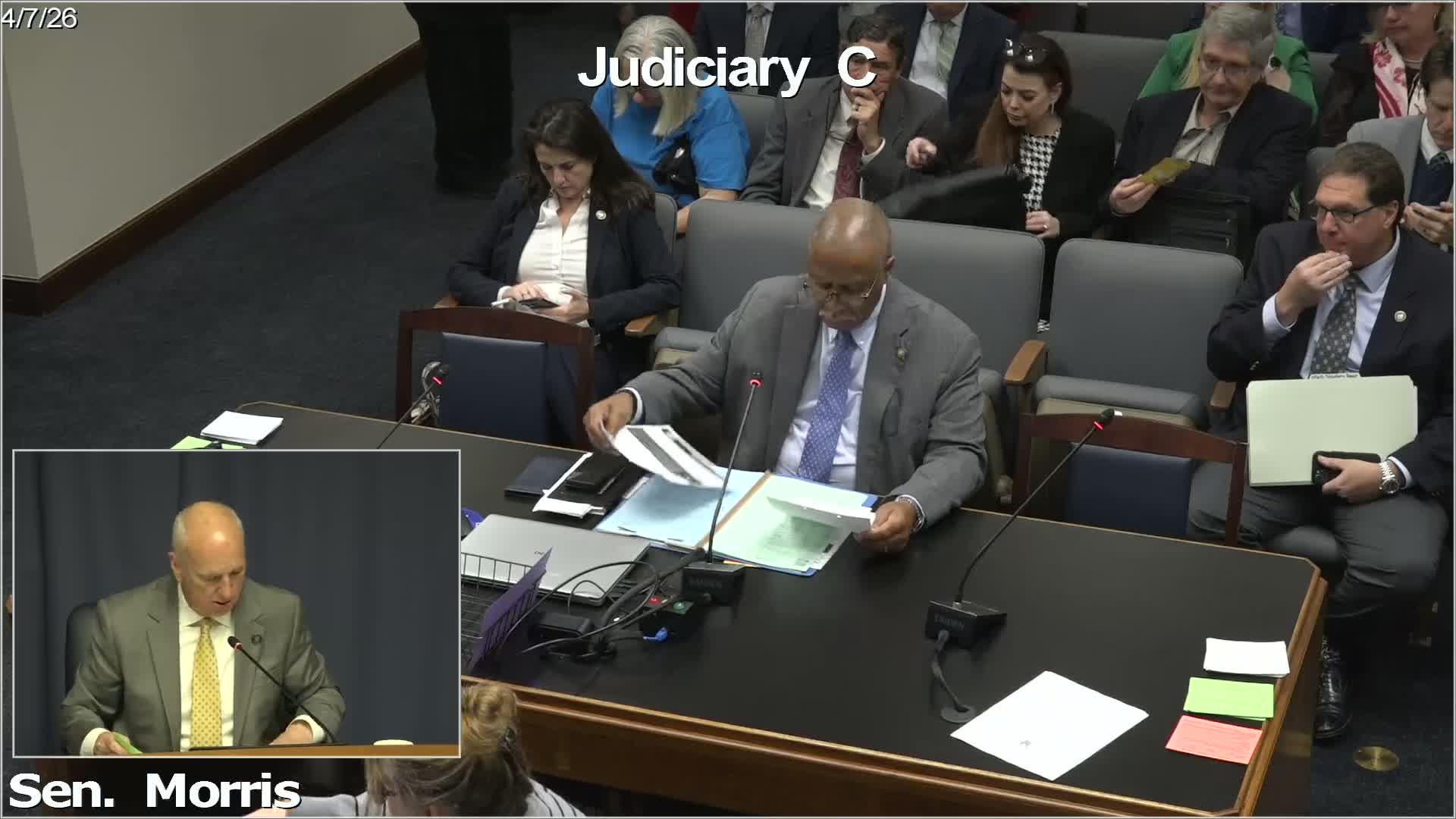
The Senate Judiciary C committee voted to report Senate Bill 125 favorably after testimony from exonerees, families and fiscal staff. The bill would raise the statute’s 10‑year cap to 15 years, extending payments to a handful of long‑serving exonerees and their heirs.
Senator Boudreau introduced Senate Bill 125 on April 7, asking the Judiciary C committee to raise the maximum years eligible for wrongful‑conviction compensation from 10 to 15.
The bill’s author told the committee the change is aimed at fairness for people who were vindicated after decades behind bars, noting many exonerees lost the ability to work, pay into Social Security and build retirement savings. "Innocent people in prison lose not only years of their lives, they also lose the ability to work, earn, and to provide for their families," Senator Boudreau told the panel.
Why it matters: Zach Crawford of Innocence and Justice Louisiana explained the statute requires a separate proceeding in which a judge is asked to find a person factually innocent by clear and convincing evidence. He said Louisiana has recorded 88 exonerations, 40 people have been awarded compensation under the existing process, and that raising the cap would allow 11 people who otherwise would stop receiving payments this year to continue getting annual installments. "If you were to move this cap to 15 years, they would continue to receive a check this year and for 5 additional years," Crawford said.
Family testimony underscored the bill's human impact. Mary Jean Jones, whose husband Wilbert (Wilbur) Jones spent 46 years wrongfully imprisoned before being exonerated, described how the current 10‑year limit left decades uncompensated. "He spent 46 years in prison... Only acknowledging a fraction of the many years he spent wrongfully in prison is painful," she said.
The Legislative Fiscal Office put numbers to the mechanics: Daniel Drier explained the current lifetime cap equals $40,000 per year for up to 10 years (a $400,000 cap) and that extending the cap to 15 years effectively raises the cap to $600,000, adding five annual $40,000 payments. He also confirmed heirs of deceased exonerees can file for benefits after succession paperwork is completed.
Questions from committee members focused on the fiscal note and on whether heirs would receive extended payments for a deceased exoneree; fiscal staff confirmed the existing practice allowing heirs to claim payments after appropriate succession paperwork is filed.
The committee voted to report SB 125 favorably to the floor.
What’s next: With the committee's favorable report, SB 125 moves to the Senate floor for further consideration and possible conference with other committees (finance was mentioned as the next likely stop for budget review).