Get Full Government Meeting Transcripts, Videos, & Alerts Forever!
Get email alerts on the Food Assistance topic
No spam. Unsubscribe anytime.
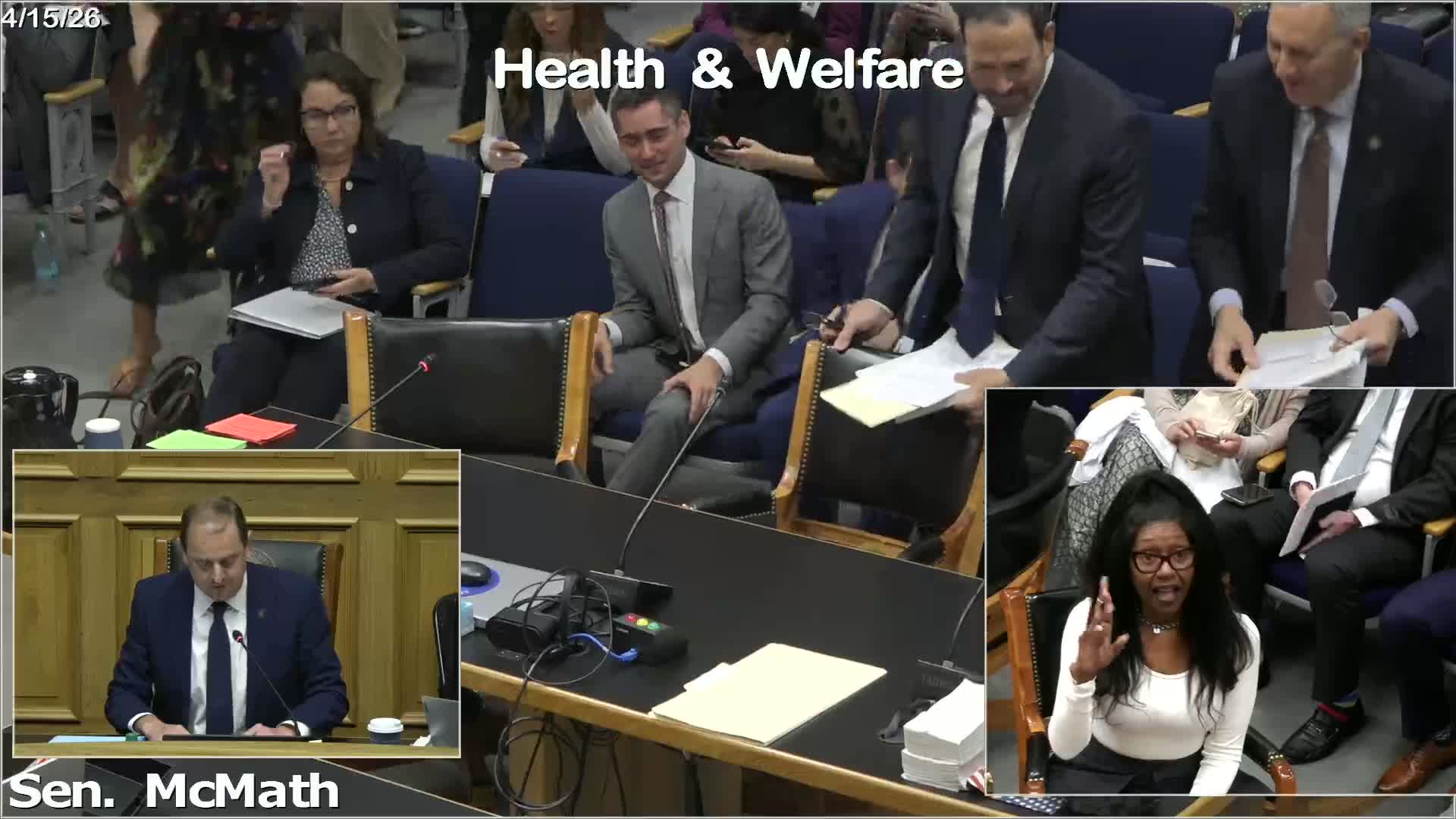
Senator Abraham's "food card" bill adopted as amended and moved forward
Summary
SB 4‑15 would create a privately funded charitable food card aligned with SNAP purchase restrictions so citizens and charities can buy restricted cards for people in need; committee adopted clarifying amendments and reported the bill as amended.
The Senate Health and Welfare committee adopted amendments and reported SB 4‑15, a proposal from Senator Abraham to establish a charitable "food card" that nonprofits and private citizens could purchase and distribute for food purchases.
Senator Abraham described the concept as "citizens helping citizens," explaining the card would mirror SNAP purchase restrictions to ensure funds are used for food. "This bill creates a food card that ordinary citizens and charities can take part and its citizens helping citizens," he said when introducing the proposal.
Committee staff explained amendment set 2,058, clarifying that eligible nonprofits may accept donations to support the program, that benefits provided are considered charitable food assistance (not wages or income), that LDH must establish uniform guidelines, and that recipient information be kept confidential. Those amendments were adopted without objection.
Under the model described, participating charities would purchase and load cards through a processor similar to the SNAP system and distribute cards at charity sites; early rollout may limit participating stores but would expand as merchants opt in. Committee members asked about fraud controls and who loads cards; Abraham said charities would have a software portal to load cards via the designated processor.
The committee reported the bill as amended; the measure will proceed through the legislative process with LDH charged to develop implementing guidelines if it advances.
What happens next: The committee-reported bill awaits floor consideration and any required appropriation language; LDH will be responsible for creating uniform guidelines for administering the program if enacted.