Don Henley urges Concord to place 35‑acre Walden Street parcel under permanent conservation easement
Loading...
Summary
At a Concord screening of clips from the Henry David Thoreau documentary, Walden Woods Project chairman Don Henley urged the City of Concord to work with the nonprofit to place a 35‑acre parcel at the gateway to Walden Woods under a permanent conservation easement; Henley said the group is willing to pay for the protection.
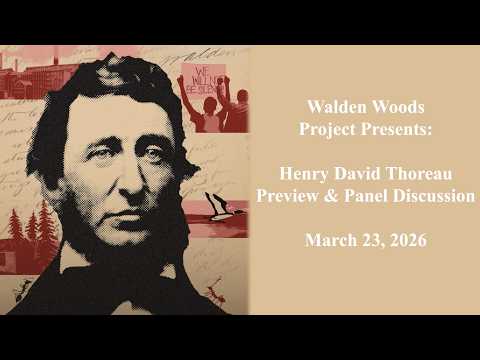
Don Henley, chairman of the Walden Woods Project, told an audience at a special Concord screening that the nonprofit hopes the City of Concord will place a 35‑acre parcel on Walden Street — which he described as the gateway to Walden Woods and Walden Pond — under a permanent conservation easement.
Henley said the parcel was designated by the city as a landfill in 1958 with the understanding that it would one day be returned to a natural state. He said the site is now partially used as a recycling center and includes solar panels, but that remaining acreage could be used for "educational and recreational purposes, give people a little more room to spread out during the high tourism months." "My hope is that the city of Concord would work with us to put a permanent conservation easement over that piece of property," Henley said, and added that the Walden Woods Project and its supporters are "willing to pay for it." (Don Henley, chairman, Walden Woods Project.)
Why it matters: Henley framed the request as filling the "last piece in the puzzle" of local land protection. He emphasized the conservation and visitor-management benefits of enlarging protected land adjacent to Walden Pond—citing crowding, erosion and limited parking as ongoing pressures on the landscape where, he said, "more than half a million people a year" visit.
The Walden Woods Project has preserved nearly 200 acres outside the state reservation, Henley said, and described the Walden Street parcel as the literal front door to Walden Woods. At the screening, Kathy Anderson, executive director of the Walden Woods Project, opened the evening and joined Henley in thanking local preservation partners and contributors to the documentary project.
No municipal action was taken at the screening; Henley framed the statement as a public appeal and an offer to negotiate with the city. The Walden Woods Project said it is prepared to discuss conservation tools, funding and possible municipal uses for parts of the site if needed. The City of Concord did not respond at the event and no timeline for talks or formal proposals was announced.
Next steps: The Walden Woods Project indicated it will pursue discussions with city officials about a permanent easement. The screening included a later panel in which filmmakers and scholars discussed the film's upcoming PBS broadcast and educational outreach, but the panel did not include a municipal reply to Henley's request.