Get Full Government Meeting Transcripts, Videos, & Alerts Forever!
Get email alerts on the Affordable Housing topic
No spam. Unsubscribe anytime.
Hip Housing outlines countywide programs, home‑sharing and a 33‑unit project
Summary
Laura Fanucchi of hip housing presented to the Woodside Planning Commission on April 15 about the nonprofit’s housing programs, saying the organization fields about 3,000 calls a year, owns or manages more than 500 affordable units in San Mateo County and is partnering on a 33‑unit project in downtown San Carlos.
Laura Fanucchi, director of programs at hip housing, told the Woodside Planning Commission on April 15 that the nonprofit’s mission is “to invest in human potential by improving the housing and lives of people here in San Mateo County.” She said hip housing fields roughly 3,000 calls a year from residents seeking information about affordable housing and maintains a weekly e‑blast and an online hub that lists waiting‑list openings and other resources.
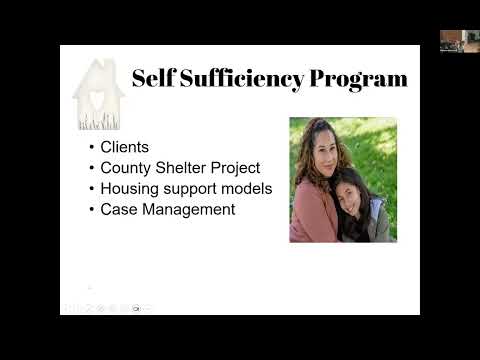
Fanucchi outlined four core programs: a housing resource hub, a housing readiness program aimed at very low‑income older adults, a self‑sufficiency program that supports low‑income families enrolled in school or vocational training, and a long‑standing home‑sharing program that matches homeowners with extra space to householders seeking affordable options. She said hip housing manages or owns “over 500 units” of mostly studio and one‑bedroom affordable housing across San Mateo County and partners with local entities such as the Rotary Club and the cities of Foster City and Redwood City.
The presenter said the nonprofit also partners on new construction: hip housing and Eden Housing are collaborating on a redevelopment of a six‑unit building into 33 affordable apartments in downtown San Carlos, a project Fanucchi said is expected to finish in October. She said rental income from owned properties helps cover administrative costs so that donations can be directed to client services.
Commissioners asked about funding and operations; Fanucchi said hip housing’s revenue mix includes municipal and county contributions, private foundation grants, fundraising events and rental income from its properties. She described the housing scholarship used to move older adults out of county‑operated shelters into permanent, subsidized housing.
Fanucchi closed by offering to partner with the town on outreach and technical assistance for homeowners with accessory dwelling units (ADUs), and left contact information for staff follow‑up.