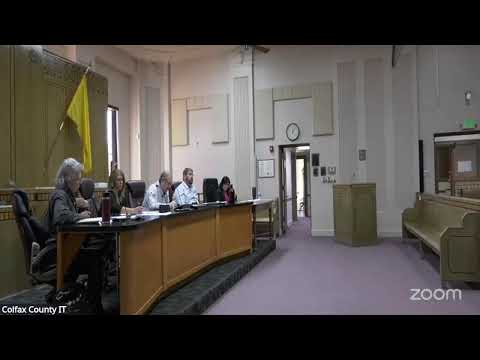
Commission backs multi‑year plan to move county radios to state digital system, eyes excise-fund allocations
Loading...
Summary
The commission supported a county plan to migrate emergency communications from VHF repeaters to the state'run 700/800 MHz digital system, with transition funding and a multi‑year timeline; staff estimated upfront costs near $1.6 million and recurring subscription fees of roughly $40,000–$50,000 per year depending on usage.
County emergency management presented a multi-step plan to move Colfax County public-safety radios to the state'run digital network and to direct excise‑fund dollars toward that transition over the next two years.
Tom Vigil, the county emergency manager, told commissioners the change is intended to be more cost-effective and to provide better long‑term coverage as the state builds out the network. "Moving over to the state digital system is gonna benefit the county in the long run," he said during the presentation.
Vigil described four elements of the proposal: set a two‑year migration target for agencies using Raton dispatch, allocate excise board funds for the next two fiscal years to the radio program (pausing other excise purchases), keep the current VHF repeater system as a simplified backup during and after transition, and require compatibility for equipment purchased with excise funds.
Staff estimated the full upfront migration cost at about $1.6 million to convert all county equipment and sites. Vigil also described how subscription fees to use the state network are usage‑based; given Colfax County's radio volume, staff estimated recurring subscription costs in the range of $40,000–$50,000 per year, roughly offsetting current repeater maintenance spending.
Commissioners asked about coverage in known dead zones (Vermejo was discussed), potential grant sources and whether legislative action would change cost responsibilities. Vigil said some grant funding and state programs are being pursued and that municipal and district chiefs support the move. The excise board earlier unanimously recommended dedicating its next two years of additional excise funding to the communications program.
The commission approved the plan elements and associated budget steps that were on the agenda; staff said further public meetings and implementation planning will follow.